
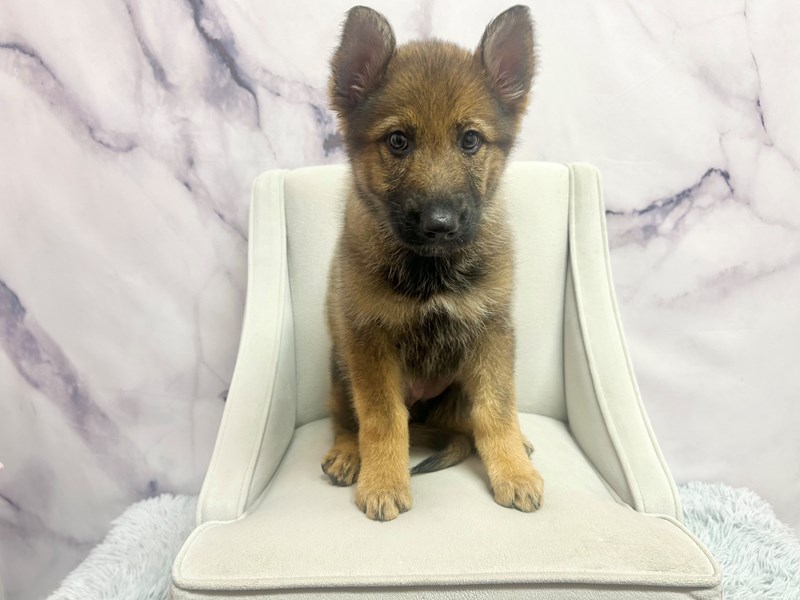
Large breed · Working group
Samoyed
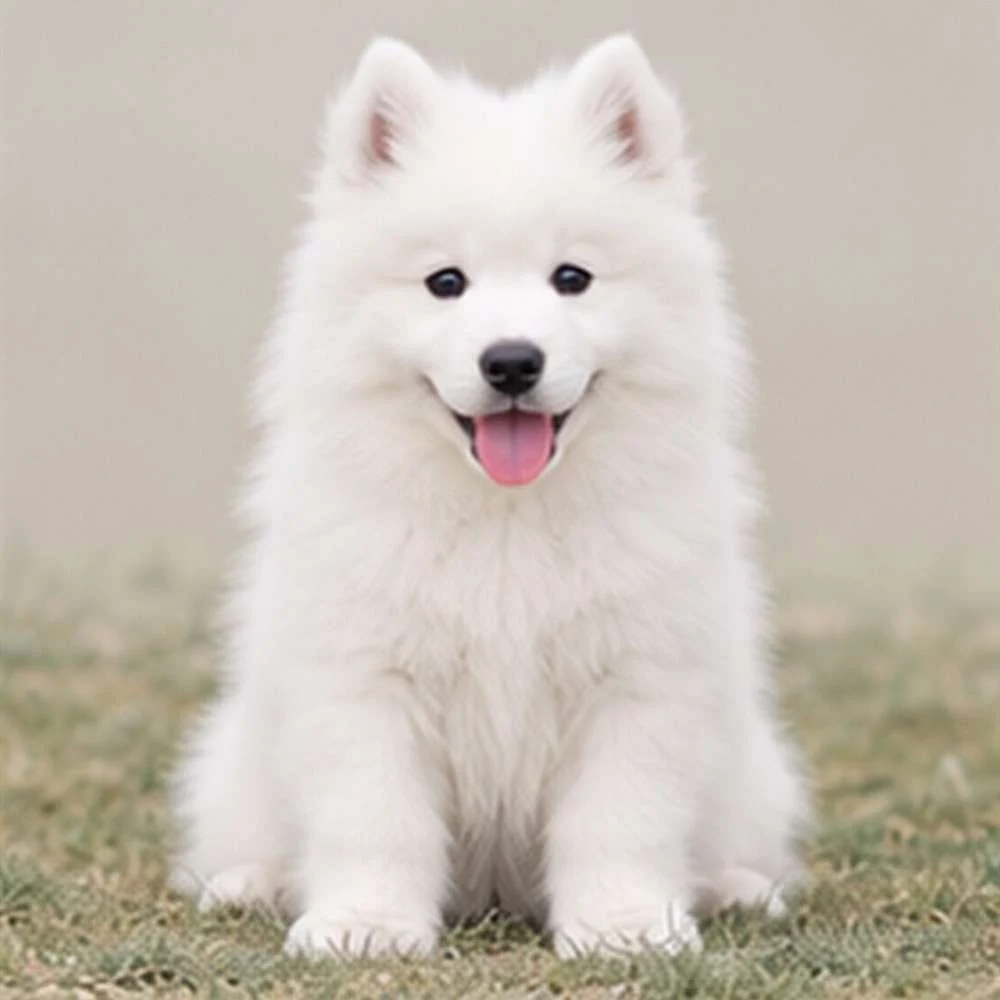
A white Arctic spitz with a thick coat and a smiling face. Friendly and social, sheds heavily, and likes cold weather.
No Samoyed puppies in the store today.
- Size
- Large
- Weight
- 35–65 lbs
- Height
- 19–24 in
- Lifespan
- 12–14 years
- Exercise
- 60 min a day
- Energy
- High
- Grooming
- Weekly brushing
- With young kids
- Good
Availability
Looking for a Samoyed puppy?
No Samoyed puppies in the store right now
Leave your details and what you are hoping for, and see the puppies that are here today.
Large-breed puppies in the store today
About the Samoyed
The Samoyed is a breed that radiates joy and warmth, known for its stunning white coat and charming smile that can melt anyone’s heart. Originally bred by the Samoyedic people of Siberia to herd reindeer and pull sleds, these dogs are now beloved family companions. Affectionate and friendly, they thrive in environments where they can be social and interact with children and other pets, making them an ideal addition to families seeking a loving canine friend.
Read more about the Samoyed
With their playful and gentle demeanor, Samoyeds are known for getting along well with young kids and other animals, including cats. Their moderate energy levels mean that while they enjoy playtime and outdoor adventures, they also appreciate some cozy downtime with their humans. Regular weekly grooming helps maintain their beautiful coats while keeping shedding to a minimum, making them manageable for families ready to invest a little time in their care.
While they may have a bit of a stubborn streak, Samoyeds are quite intelligent and can be trained with patience and consistency. They do have a tendency to bark, which can make them good watchdogs, but you’ll find their loving nature far outweighs their vocal expressions. If you’re looking for a friendly, delightful companion in Furry Babies Portage, consider welcoming a Samoyed into your home; their unique personality and companionship are sure to bring joy to your family for years to come.
Samoyed personality
Typical for the breed. Every puppy is an individual: ask us about the one you are meeting.
Temperament
- Affection
- Very affectionate
- Playfulness
- Very playful
- With strangers
- Friendly
- Territorial
- Territorial
- Prey drive
- High
Family & other pets
- Young children
- Good
- Older children
- Good
- Other dogs
- Sociable
- Cats
- Great with cats
Energy & exercise
- Energy
- High
- Mental stimulation
- High
Training
- Trainability
- Takes patience
- Intelligence
- Steady
- Stubbornness
- A stubborn streak
Care & upkeep
- Shedding
- Minimal
- Drooling
- Minimal
- Barking
- Vocal
Home life
- Apartment living
- Prefers a house
- Time alone
- Short periods
- Cold weather
- Thrives in it
- Warm weather
- Needs shade
A good match for
- First-time owners
- Good first dog
- Senior owners
- Good
- Running partner
- Good
- Hiking
- Good
- Therapy work
- Good
- Guarding
- Low
Life with the Samoyed
Temperament & Family Fit
The Samoyed is known for their friendly and gentle disposition, making them a wonderful addition to family life. They are particularly good with young kids, showcasing their playful and affectionate nature. With a good rapport with other dogs and even cats, this breed is certainly a social butterfly in any household.
Energy & Exercise
This large dog possesses a moderate energy level, thriving on regular exercise to keep them happy and healthy. Though they enjoy playtime in the yard, they may not be the best fit for apartment living due to their need for space. Daily walks and interactive play will ensure your Samoyed has plenty of opportunities to burn off energy.
Care & Grooming
Samoyeds have a beautiful coat that requires weekly grooming to keep it looking its best, but their shedding level is relatively low. This means less hair around the house and more time to enjoy cuddles. Regular brushing will also help maintain their impressive fluffy appearance while keeping their skin healthy.
Training Notes
While Samoyeds are affectionate and eager to please, their trainability is moderate, requiring a bit of patience during training. Consistency and positive reinforcement work wonders for this breed; remember to keep it fun! With a friendly attitude, they're likely to respond well to your efforts, making them enjoyable companions on the training journey.
Caring for your Samoyed
Care essentials
- Grooming
- Weekly brushing
- Grooming cost
- Average
- Monthly food
- Average
- Outdoor space
- A yard is recommended
- Allergy friendly
- Not considered hypoallergenic
Health considerations
Conditions seen in the breed. Ask your veterinarian what to watch for.
- hip dysplasia
- progressive retinal atrophy
- skin disorders
Samoyed questions
Are Samoyeds good with young children?
Absolutely! Samoyeds are known for their friendly and gentle nature, making them great companions for young kids. They love to play and are patient, which adds to their reputation as a family dog.
How much exercise do Samoyeds need?
Samoyeds are active dogs that thrive on regular exercise. With an energy level of 4, they enjoy walks, playtime, and outdoor activities, so be prepared to give them the physical activity they need to stay happy and healthy.
Do Samoyeds shed a lot?
While Samoyeds have a thick, fluffy coat, they actually have a low shedding level of 1, which means they won't leave fur all over the house continually. However, they do require weekly grooming to keep their coat in good condition and reduce any loose fur.
How trainable are Samoyeds?
Samoyeds can be a bit of a challenge when it comes to training, with a trainability score of 2. They are smart but can be a bit stubborn, so using positive reinforcement methods works best. Consistency and patience will help them learn effectively.
Are Samoyeds good with other pets?
Yes, Samoyeds typically do well with other dogs and even cats! They have a friendly disposition and an affectionate nature, making them good companions for pets in the household.
Get notified
Ask about Samoyed puppies
Tell us you are interested in Samoyed puppies, and ask anything about the breed. Send a note, or call and talk to us now.
Furry Babies Portage
6636 US-6, Portage, IN 46368
Get directions (opens Google Maps)
Keep exploring
Browse all breeds
Similar breeds
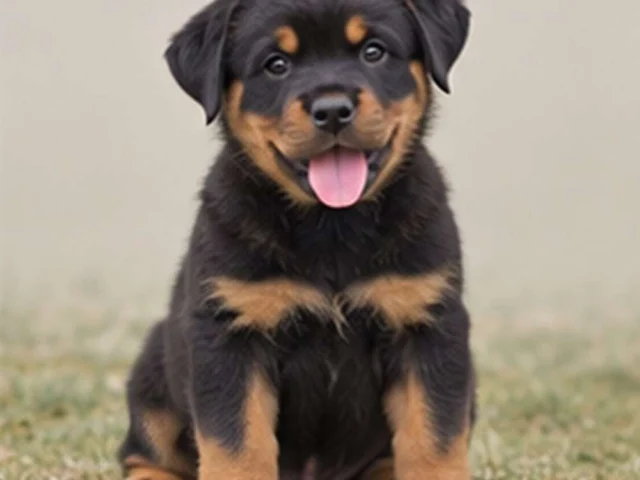 1 available
Rottweiler
- Large
- 80–135 lbs
- 8–10 yrs
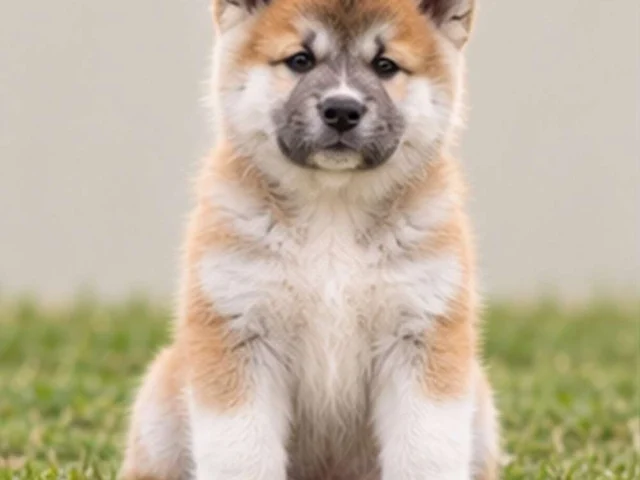
Akita
- Large
- 70–130 lbs
- 10–15 yrs
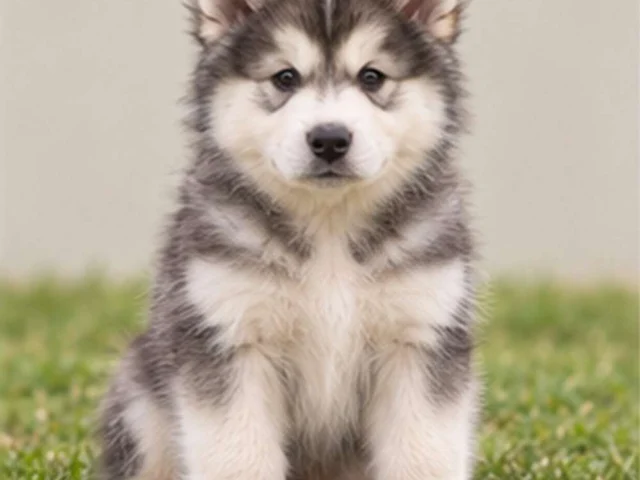
Alaskan Malamute
- Large
- 75–100 lbs
- 10–14 yrs
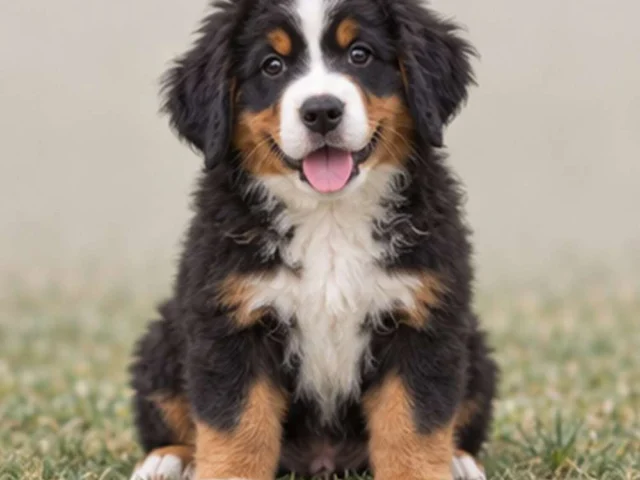
Bernese Mountain Dog
- Large
- 70–115 lbs
- 7–10 yrs