Book Puppy Playtime Today! Book Puppy Playtime Today! Book Puppy Playtime Today!

The Ultimate Guide to Understanding Your Dog’s Body Language: What Every Tail Wag Really Means

Dogs may not talk, but they sure do have a lot to say! From the wag of their tail to the twitch of an ear, your pup’s body language is their way of chatting with you without saying a word. So, let’s decode the wag, the wiggle, and everything in between–because knowing what your dog is trying to tell you could be a tail-wagging game changer!
1. Tail Wagging: More Than Meets the Eye

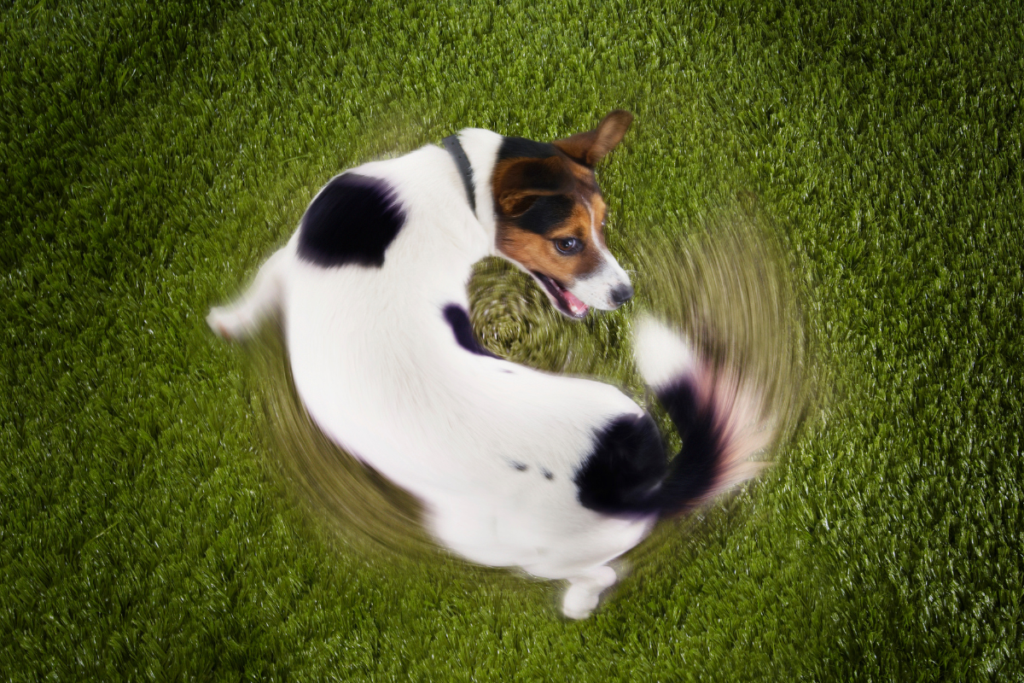
A wagging tail is like a doggy text message–but not all wags are created equal!

  • Fast Wagging, Wiggly Butt: Hello, excitement! Your dog’s pumped and ready to play.
  • Slow Wag with Stiff Posture: Cautious vibes. They’re unsure and trying to figure out the situation.
  • High, Stiff Wag: “I’m in charge here!” This could be a sign of dominance or alertness.
  • Low, Tucked Tail: This one’s a “don’t hurt me” signal. Your dog’s feeling scared or submissive.
  • Neutral Wag: Just chillin’–your dog’s content and enjoying the moment.

Quick Tip: Look at the whole dog, not just the tail! A wagging tail with a stiff body isn’t as friendly as it seems.


2. Ears Tell All: The Doggy Radar

If your dog had WiFi, their ears would be the antenna! They’re the secret weapon in your quest to understand their emotions.

  • Ears Forward: “What’s that?”–they’re curious or focused on something interesting.
  • Ears Back: “I’m friendly, I promise!” Your dog’s trying to show they’re not a threat.
  • Ears Flat Against the Head: Uh-oh, something’s up. They’re stressed, scared, or feeling threatened.
  • Neutral Ears: Total zen mode. Your dog’s relaxed and just taking in the scene.

3. Eyes: The Window to Their Doggy Soul

If you want to know how your dog is feeling, just look into their eyes. Here’s what their peepers reveal:

  • Soft Gaze and Blinking: Relaxed and happy vibes. Your dog feels comfortable and loved.
  • Staring with Hard Eyes: This is a nope zone. Your dog might be feeling threatened or defensive.
  • Whale Eyes: Yikes! If you see the whites of their eyes, they’re feeling anxious or fearful.
  • Squinting or Avoiding Eye Contact: Your dog’s saying “I’m not sure” or “I’m a little nervous here.”

4. Mouth Movements: Smiles, Licks, and the Works

Your dog’s mouth is more than just for chomping down on treats–it’s a powerful communicator!

  • Relaxed Jaw, Open Mouth: Happy dog, happy life! They’re feeling calm, comfortable, and probably ready for a belly rub.
  • Lip Licking: Nervous energy alert! This could mean your dog’s feeling stressed or anxious.
  • Yawning: It’s not just about being sleepy. Your dog might be yawning to cope with stress or uncertainty.
  • Teeth Bared (Snarling): That’s your dog’s version of saying “BACK OFF.” Don’t take it personally!

5. Full Body Language: The Whole Shebang

Sometimes your dog’s trying to tell you something with their entire body. Don’t miss the big picture!

  • Wiggling All Over: This is puppy joy in its purest form! They’re super excited to see you or ready to play.
  • Frozen Stance: Freeze frame! Your dog’s feeling unsure or cautious, so give them space to assess the situation.
  • Play Bow: Front end down, rear up–this is the universal doggie “let’s play!” sign.
  • Shaking It Off: Not just for wet dogs! It’s your pup’s way of shaking off stress or resetting their mood.

6. Putting It All Together: Context is Key

Okay, so now you’re a pro at reading your dog’s tail, ears, and eyes. But to truly understand what they’re saying, you’ve got to look at the whole package–and consider the situation.

For example:

  • A wagging tail paired with a stiff body? Not as friendly as it sounds.
  • A dog yawning in their bed? Probably tired. A dog yawning at the vet? Definitely stressed.

It’s all about context–so pay attention to your dog’s surroundings and their overall vibe.


7. Why You Should Care About All This Doggy Body Language

Understanding your dog’s body language is a win-win. Here’s why:

  • Better Bonding: The more you understand them, the stronger your connection.
  • Improved Training: You’ll know when your dog is ready to learn and when they need a break.
  • Stress-Free Adventures: Recognize when they’re anxious or uncomfortable, and you’ll be able to ease their stress.
  • Health Alerts: Body language can reveal if your dog’s not feeling well before they even show symptoms.

Final Paws for Thought

Your dog may not be able to use words, but their body is speaking loud and clear! By tuning into their tail wags, ear positions, and little body cues, you’ll not only understand your dog better–you’ll also help keep them safe, happy, and healthy.

So next time you see your pup doing their thing, take a moment to read between the wags. They’re telling you exactly how they feel! 🐾
Keeping Your Dog Safe and Cozy This Holiday Season: Pawsome Tips for Thanksgiving & Beyond

The holidays are here, and while you’re dreaming of turkey dinners and cozy nights by the fire, your furry best friend is probably dreaming of belly rubs and sneaking a taste of that turkey! The season of giving can be full of surprises, so let’s make sure none of them leave your pup in a tailspin. Here’s how to keep your dog safe, comfy, and totally pawsitive during the holidays.

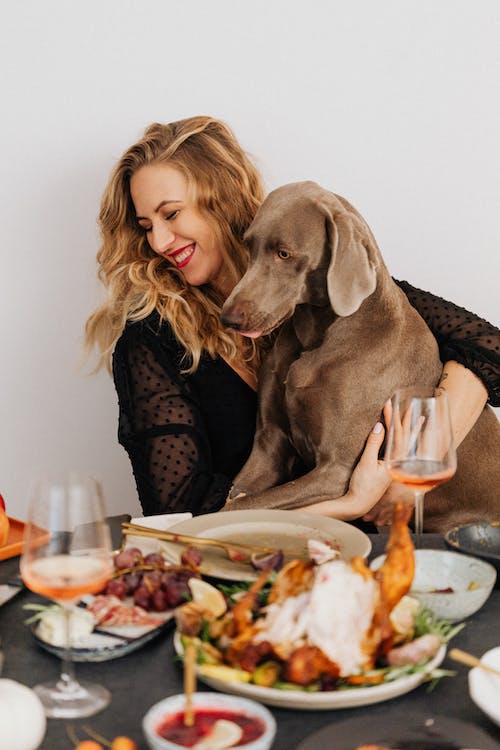
dog, family, thanksgiving

1. Turkey, Treats & Troubles

Thanksgiving is a smorgasbord for humans, but for dogs, it’s a minefield.

Keep It Paws-itive:

  • No Bones About It: Turkey bones might look like fun, but they can splinter and cause big problems.
  • Bye-Bye, Stuffing: Garlic, onions, and spices are in it–your dog should definitely not be!
  • Sweet, but No Thanks: Chocolate, raisins, and xylitol are no-go’s for your pup’s belly.

Serve Up Some Tail-Wagging Goodies:

  • Small bites of unseasoned turkey.
  • Plain green beans or carrots.
  • A scoop of unsweetened pumpkin puree (yum!).

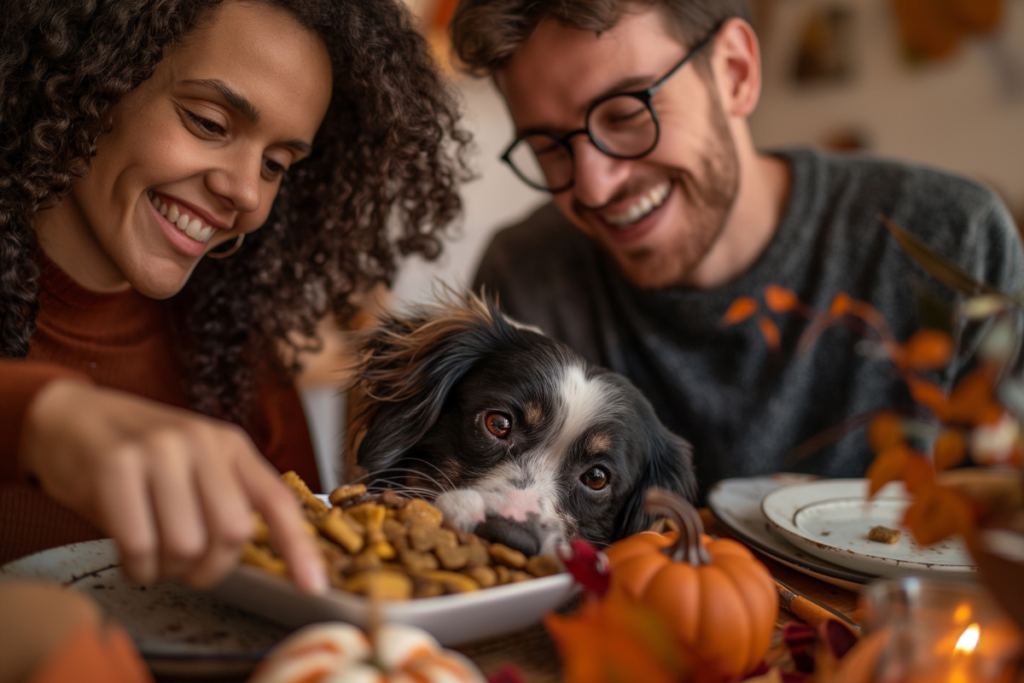
Make them their own “doggy Thanksgiving plate,” and they’ll be forever thankful (and drooling).


2. Guests Galore? Create a Dog Zen Den

Your dog loves you, but Aunt Sally’s hugs? Maybe not so much.

Make a Pup Paradise:

  • Set up a cozy corner with their bed, toys, and water for when they need a break from the crowd.
  • Let them choose: Social butterfly or snuggly hermit? It’s their call!
  • Watch those doors–nobody wants a game of “Catch the Dog” during dinner.

3. Traveling with Tails

Heading over the river and through the woods? Don’t forget about your trusty sidekick!

  • Buckle Up, Buttercup: Secure your dog in a crate or harness for safe car rides.
  • Pack the Essentials: Food, water, toys, and their favorite blanket. Smells like home, feels like love.
  • Break Time = Play Time: Plan stops for potty breaks and leg stretches.

Flying with Fido? Double-check airline rules and make sure their carrier is comfy and cozy.


4. Cozy Vibes Only

The weather outside is frightful, but your pup’s bed should be delightful!

  • Warm and Snuggly: Provide extra blankets, and for short-haired pups, consider a sweater.
  • Protect Those Paws: If it’s snowy, grab some booties or use a paw balm to prevent cracks.
  • Stay Hydrated: Winter air can be dry, so make sure your pup’s water bowl is always full.

5. Deck the Paws (Carefully!)

Holiday decorations make your home sparkle, but for dogs, they’re shiny new chew toys.

  • O Christmas Tree: Secure it tightly so it doesn’t come crashing down during a game of zoomies.
  • No Snacking on Plants: Poinsettias, mistletoe, and holly might look festive but are toxic to dogs.
  • Light It Up Safely: Keep cords out of reach and unplug lights when you’re not around.

Pro tip: Pine needles are not snacks. Trust us on this one.


6. Routine, Routine, Routine

Holidays can throw everyone off their game, but sticking to your dog’s routine can make a world of difference.

  • Feed Me, Seymour! Keep meal times consistent, no matter how busy you are.
  • Walk It Out: Keep up their daily walks–even if it’s brisk, they’ll thank you with zoomies later.
  • Practice Makes Paw-fect: Keep reinforcing their training so holiday chaos doesn’t rattle them.

7. New Year, New Fears (Fireworks!)

Fireworks might light up your night, but they can be a doggy nightmare.

  • Snuggle Mode: Be home if possible to comfort your pup.
  • Calming Hacks: ThunderShirts, white noise, or even a cuddly movie night can work wonders.
  • Escape-Proof Your House: Loud noises can spook even the chillest dogs–double-check gates and doors.

Tail End of the Tale

The holidays are all about love, laughter, and wagging tails. With a little planning and a lot of love, you and your dog can enjoy the magic of the season together. So, while you’re filling your plate with pie, don’t forget to fill your pup’s heart with safety, snuggles, and all the paw-sitive vibes!

Here’s to a holiday season full of puppy kisses and happy tails! 🐾✨

The Best Way to Clean Up Dog Hair

Dog hair can be a persistent problem for pet owners. It seems to find its way into every nook and cranny of our homes, clinging to furniture, carpets, and clothing. While it may seem like an endless battle, there are several effective methods for cleaning up dog hair that can make the task more manageable.

One of the most efficient ways to tackle dog hair is by using a vacuum cleaner specifically designed for pet hair removal. These vacuums often come with specialized attachments that can easily pick up stubborn hairs from upholstery and carpets. Additionally, they have powerful suction capabilities that can effectively remove loose hairs from surfaces. When using a vacuum cleaner, it is important to go over each area thoroughly and in different directions to ensure all the hair is picked up.

Simple But it Works!

Another effective method for removing dog hair is by using lint rollers or sticky tape. These tools are particularly useful on clothing or fabric surfaces where vacuuming may not be as effective. Simply roll the lint roller over the surface, pressing down firmly to pick up any loose hairs. Alternatively, wrap sticky tape around your hand with the adhesive side facing outwards and pat it gently on the surface where dog hair is present. This method works well on smaller areas or when you are in a hurry.

Regular Grooming is Key

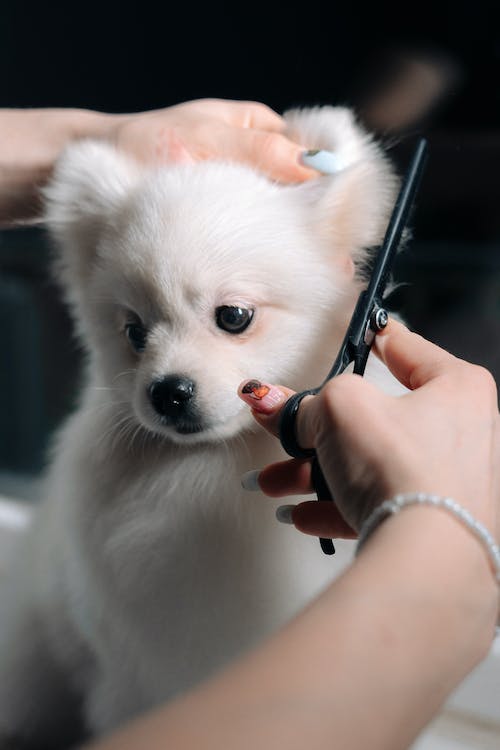
Regular grooming of your dog can also help reduce shedding and minimize the amount of loose hair in your home. Brushing your dog’s coat daily will remove loose hairs before they have a chance to fall off onto furniture or floors. Additionally, regular bathing will keep your dog’s coat clean and healthy, reducing excessive shedding.

Prevention

To prevent dog hair from accumulating on furniture or bedding, consider using washable covers or throws that can easily be removed and cleaned when necessary. This will not only protect your furniture but also make cleaning up easier as you can simply toss them into the washing machine.

In addition to these methods, there are some preventive measures you can take to minimize the amount of dog hair in your home. Regularly washing and vacuuming your dog’s bedding will help remove any loose hairs that may have accumulated. Additionally, keeping your dog off furniture or designating specific areas where they are allowed can help contain the spread of hair.

It is important to note that some dogs shed more than others, and certain breeds are known for their excessive shedding. If you have a breed that sheds heavily, it may be worth considering professional grooming services or investing in a high-quality pet hair removal tool. Cleaning up dog hair can be a challenging task for pet owners. However, by using the right tools and techniques, it is possible to keep your home free from excessive shedding. Regular grooming, vacuuming with specialized pet hair attachments, using lint rollers or sticky tape, and employing preventive measures such as washable covers can all contribute to a cleaner living environment. With these strategies in place, you can enjoy the company of your furry friend without constantly battling against their shedding.

The Basics of Dog Training

Dog training is an essential part of owning a pet, ensuring they are well-behaved, obedient, and happy. To effectively train your furry friend, it’s crucial to understand the basics of dog training.

– Establish clear communication with your dog.

– Use consistent verbal cues and body language.

– Dogs respond best to positive reinforcement.

– Reward your pup with treats or praise when they exhibit desired behaviors. – Don’t forget, your body language is very important while communicating with your dog.

Consistency Is Key

Set a routine for training sessions and stick to it. Short and frequent sessions work best as dogs have limited attention spans. Patience is essential during the training process as dogs learn at their own pace. Lastly, remember that every dog is unique; tailor your training approach to suit their individual needs and personality traits. By grasping these fundamental principles of dog training, you will be better equipped to establish a strong bond with your canine companion and achieve successful results in their behavior development.

Establishing A Positive Relationship with Your Dog

Building a strong and positive relationship with your dog is essential for successful training. It is important to create an environment of trust and respect that encourages cooperation and understanding between you and your furry companion. To achieve this, start by spending quality time together, engaging in activities that both of you enjoy.

Regular exercise not only keeps your dog physically fit but also helps release pent-up energy, reducing behavioural issues. Avoid punishment or harsh methods as they can damage the trust between you both.

Effective Techniques for Teaching Basic Commands

When it comes to training your dog, initial basic commands lay the foundation for a well-behaved and obedient pet. Commands such as sit, lay, paw, and wait allow your dog to recognize commands. In time your dog will build up to more complicated commands that require more effort on his part.

Addressing Common Behavior Issues in Dogs

When it comes to training our furry companions, addressing common behavior issues is essential for a harmonious household. One prevalent issue faced by dog owners is excessive barking. To tackle this problem, it is crucial to identify the underlying cause, such as boredom or anxiety, and address it appropriately through mental stimulation, exercise, and positive reinforcement techniques.

Start Training Young

Ever hear of the saying “you can’t teach an old dog new tricks?” Well, you can, however, it is easier to teach a puppy new tricks because they don’t have many bad habits yet. Start training very basic commands at a young age and the trickier and more complicated commands will be easier for them to learn as they mature.

It’s A Process

Training your dog is something that takes time and patience. You need to remember; your dog is happy when you are and does not want to disappoint you. Being patient and positive will allow better long-term results. A little training each and everyday will go a long way!

Protecting Your Dog Against Frostbite

As winter sets in and temperatures drop, it is essential for pet owners to take extra precautions to protect their furry friends from the harsh elements. Just like humans, dogs are susceptible to frostbite, a condition that occurs when the skin and underlying tissues freeze due to prolonged exposure to extreme cold. To ensure the well-being of our beloved companions, it is crucial to understand the signs of frostbite and take preventative measures.

Symptoms To Look For

Frostbite primarily affects areas with minimal insulation, such as ears, paws, and tails. The initial symptoms include pale or bluish skin coloration, coldness upon touch, pain or discomfort when touched or manipulated, and swelling. As the condition progresses, affected areas may become discolored (turning gray or black), develop blisters filled with fluid or blood, and eventually slough off. In severe cases, frostbite can lead to tissue death and infection.

Preventative Measures

To protect your dog against frostbite during winter walks or outdoor activities, consider these preventative measures:

1. Limit exposure: When temperatures plummet below freezing point or wind chills are dangerously low, it is best to minimize your dog’s time outdoors. Shorten walks and opt for indoor playtime instead.

2. Dress appropriately: Just like humans wear warm clothing during cold weather conditions; dogs can benefit from protective gear too! Consider investing in a well-fitted dog coat or sweater that covers their chest area adequately.

3. Protect their paws: Paw pads are particularly vulnerable to frostbite since they come into direct contact with icy surfaces. Before heading outside on snowy days, apply a thin layer of petroleum jelly on your dog’s paw pads for added protection against freezing temperatures.

4. Booties: If your furry friend tolerates them well enough (some dogs may need time getting used to them), consider using booties specifically designed for dogs during walks in snow-covered areas. These booties provide insulation and prevent contact with cold surfaces.

5. Keep them dry: Moisture can exacerbate the effects of cold weather on your dog’s skin. After returning from outdoor activities, thoroughly dry their fur, paying extra attention to paws and ears.

6. Provide shelter: If your dog spends time outdoors, ensure they have access to a warm and insulated shelter. The shelter should be elevated off the ground, have proper bedding (straw or blankets), and be small enough to retain body heat.

7. Monitor for signs of frostbite: Regularly inspect your dog’s ears, paws, and tail for any signs of frostbite. If you notice any abnormalities or suspect frostbite, consult your veterinarian immediately.

8. Adjust their diet: During winter months, dogs may require additional calories to maintain their body temperature effectively. Consult with your veterinarian about adjusting their diet accordingly.

By following these preventative measures, you can significantly reduce the risk of frostbite in your furry friend during winter months. Remember that prevention is always better than treatment when it comes to protecting our beloved pets from the harsh elements of nature.

Frostbite is a serious condition that can affect dogs during winter months if proper precautions are not taken. By limiting exposure to extreme cold temperatures, dressing appropriately, protecting their paws with booties or petroleum jelly, keeping them dry after outdoor activities, providing adequate shelter and monitoring for signs of frostbite regularly; pet owners can ensure the well-being of their furry companions throughout the winter season.

Let us prioritize our pets’ safety by taking proactive steps in protecting them against this potentially harmful condition – because they deserve nothing less than our utmost care and love all year round!

Police Dog Breeds

Police dogs, also known as K9 units, play a vital role in law enforcement agencies worldwide. These intelligent and highly trained canines possess a unique set of skills that make them indispensable partners to police officers. While there are numerous dog breeds used in police work, each with their own strengths and specialties, certain breeds have proven to be particularly well-suited for this demanding job. These specialized police dog breeds are carefully selected based on their physical capabilities, temperament, and trainability. The choice of breed is crucial as it directly influences the effectiveness of the dog in various law enforcement tasks such as search and rescue operations, drug detection, tracking down suspects, and apprehending criminals. In this blog, we will explore some of the most common police dog breeds employed by law enforcement agencies worldwide.

Commonly Used Breeds in Police Work

When it comes to police work, certain dog breeds are favored for their exceptional skills and qualities. German Shepherds, known for their intelligence and versatility, are widely utilized in various law enforcement tasks such as tracking suspects, detecting drugs or explosives, and search and rescue missions. Belgian Malinois are another popular choice due to their high energy levels, agility, and fearless nature.

These dogs excel in apprehending criminals and protecting officers during dangerous situations. Labrador Retrievers are often employed as detection dogs due to their remarkable sense of smell. Their ability to sniff out narcotics or contraband makes them essential in drug enforcement operations. Similarly, Bloodhounds possess an unparalleled sense of smell that aids in locating missing persons or tracking scents over long distances.

Training And Qualifications for Police Dogs

Police dogs undergo rigorous training programs to become effective members of law enforcement. The training process begins with a careful selection of suitable breeds known for their intelligence, agility, and temperament. German Shepherds, Belgian Malinois, Labrador Retrievers, and Dutch Shepherds are commonly chosen due to their natural instincts and abilities. The training typically starts at a young age, usually around 12-18 months old.

The dogs are taught basic obedience commands such as sit, stay, and come before progressing to more advanced skills. Police dogs receive specialized training in tracking scents, apprehending suspects, searching buildings or vehicles for contraband or missing persons, detecting narcotics or explosives, and providing protection to their human partners. To ensure the highest level of proficiency in real-life scenarios, police dogs also undergo extensive socialization exercises to acclimate them to various environments and situations they may encounter on duty.

Thanksgiving Foods Your Dog Can Try

Thanksgiving is a time for family, gratitude, and of course, delicious food. As we gather around the table to indulge in our favorite holiday dishes, it’s only natural to want to share this joy with our furry friends. However, it’s important to remember that not all Thanksgiving foods are safe for dogs. Fortunately, there are several options that can be enjoyed by both humans and canines alike.

The Most Common

One such treat is plain cooked turkey. Dogs can benefit from the lean protein found in turkey meat, but it should be free from any seasoning or bones which can pose a choking hazard or cause digestive issues. Additionally, sweet potatoes are a nutritious option for dogs as they are rich in vitamins A and C. Mashed sweet potatoes without added sugar or spices make a tasty and healthy addition to their meal.

Don’t Forget the Greens!

Furthermore, green beans are another Thanksgiving staple that dogs can enjoy. These low-calorie vegetables provide fiber and essential nutrients while being gentle on their digestive system. Simply steam or blanch them before serving.

Leave Room for Dessert

Leave Room for Dessert

Lastly, pumpkin puree is an excellent choice for dogs during Thanksgiving festivities. It aids digestion and can alleviate constipation or diarrhea in pets when served in small amounts.

Foods To Avoid

While it’s tempting to share every dish with our beloved pets during this festive season, it’s crucial to avoid certain foods like onions, garlic, grapes/raisins, chocolate, and anything containing xylitol as they can be toxic to dogs.

Moderation Is Key

Although we love making our pups smile, we need to remember that they are dogs and moderation is very key. Be sure to regulate and monitor how much food they eat, especially if its food they are not accustomed to on a regular basis.

In conclusion, Thanksgiving doesn’t have to exclude our four-legged companions from enjoying some special treats. By providing them with plain cooked turkey meat (without bones), mashed sweet potatoes (without sugar or spices), steamed green beans, and pumpkin puree (in moderation), we can ensure they partake in the holiday feast safely while keeping their health at the forefront of our minds.

Breeds That Have the Largest Litters of Puppies

The joy of welcoming a new litter of puppies into the world is an experience that brings immense happiness to both breeders and dog lovers alike. While every litter is special, there is something particularly fascinating about the largest breed puppy litters. These litters not only captivate us with their sheer size but also offer a glimpse into the wonders of nature’s miracles.

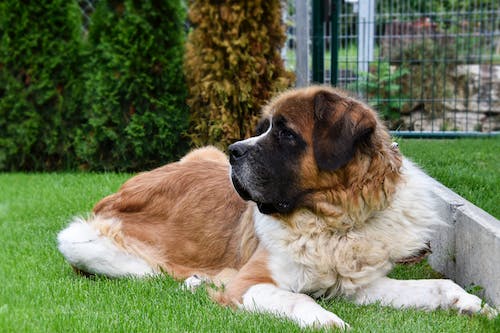
When it comes to large breed dogs, it should come as no surprise that they tend to have larger litters compared to their smaller counterparts. Breeds such as Great Danes, Saint Bernards, and Irish Wolfhounds are known for producing some of the largest litters in the canine world. These gentle giants often give birth to anywhere between 10 to 15 puppies per litter, sometimes even more!

One might wonder how these massive breeds can accommodate such large numbers of puppies within their bodies. The answer lies in their biology. Large breed dogs typically have larger uterine horns and wider pelvic bones, allowing them to carry more puppies comfortably. Additionally, these breeds often have higher levels of progesterone during pregnancy, which can contribute to larger litter sizes.

While large breed puppy litters are undoubtedly awe-inspiring, they also present unique challenges for both the mother dog and the breeder. The mother’s health and well-being become paramount during this time as she must provide nourishment and care for her numerous offspring. Breeders must be vigilant in ensuring that each puppy receives adequate nutrition and attention from its mother.

The process of raising a large breed puppy litter requires careful planning and preparation. Adequate space is essential for both the mother dog and her pups. A spacious whelping box or area allows room for movement while providing a safe environment for all involved. Additionally, ensuring proper nutrition through high-quality food becomes crucial in supporting healthy growth for each individual puppy.

Socialization is another vital aspect when dealing with large breed puppy litters. Early socialization helps puppies develop into well-adjusted adults, and this becomes even more crucial when dealing with larger numbers. Breeders must invest time and effort into exposing the puppies to various stimuli, such as different sounds, textures, and experiences. This early exposure helps build confidence and reduces the likelihood of behavioral issues later in life.

The fascination with large breed puppy litters extends beyond their physical size. Each puppy within the litter possesses its unique personality traits, markings, and potential. It is a joy to witness these little beings grow and develop into their own distinct individuals. From observing their first wobbly steps to witnessing them explore the world around them, every moment is filled with wonder.

Large breed puppy litters also present an opportunity for breeders to contribute positively to the future of these magnificent breeds. By carefully selecting breeding pairs based on health, temperament, and conformation standards, breeders can work towards improving the overall quality of these breeds while ensuring their long-term well-being.

Large breed puppy litters are a testament to nature’s marvels. They embody both the beauty of life’s diversity and the challenges that come with it. These litters captivate us not only with their size but also with their potential for growth and development. As we marvel at these gentle giants’ ability to bring forth new life in abundance, we are reminded of our responsibility as stewards of these remarkable creatures.

They’ll Fight Like Cats and Dogs!

We’ve all heard the saying, they’ll fight like cats and dogs…

Well, not really if you find the right dog. There are certain qualities a dog needs to have in order for it to get along well with a cat. The initial thing to take into consideration is the dog’s breed group. Breeds in the Terrier Group were designed to hunt smaller animals, such as a cat! Dogs in the Hound Group were bred to follow, pursue, and chase animals. Dog breeds that fall under the Herding Group were designed to do just that, herd. Cats are certainly independent animals and may not do well being led, however, herding dogs tend to get along well with them. Below is our list of the Top-4 herding dogs that we feel would make the best fit in a household that has a cat.

The Australian Shepherd

The Australian Shepherd is a highly intelligent and loyal dog breed that has become increasingly popular in recent years. Despite its name, the breed actually originated in the western United States in the 19th century, where it was used for herding livestock on ranches. It is believed that the breed’s ancestors were brought over by Basque shepherds who came to America from Australia.

The German Shepherd

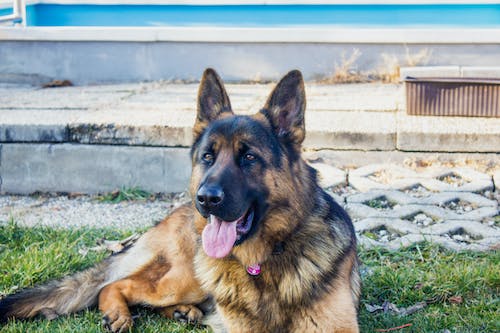
The German Shepherd is a breed of dog that has been around for over a century. Originally bred in Germany as a herding dog, they quickly became popular as police and military dogs due to their intelligence, loyalty, self-control and bravery. Today, German Shepherds are still used in these roles but have also become beloved family pets.

Border Collie

The Border Collie is a medium sized breed of herding dog. They are widely considered to be the most intelligent dog breed who are easily trained. They are descendants of landrace sheepdogs that were once found all over the British Isles, but became standardized in the Anglo-Scottish border region. They are gentle and caring dogs who grow close to family and other pets within their household.

Shetland Sheepdog

The Shetland Sheepdog, also known as the Sheltie, is a breed of herding dog that originated in the Shetland Islands of Scotland. The original name was Shetland Collie, but this caused controversy amongst Rough Collie breeders of the time, so the breed’s name was formally changed. The Shetland Sheepdog is a working dog and has a lowkey and generally laidback personality. They enjoy the company of other animals and rarely show signs of aggression.

Regardless which breed of dog you eventually decide to go with, the initial introduction between the animals is very important. Many animals are territorial and learning to share their space is something that may take a little time.

Cool Puppy Names Thinking Outside the Box

Although there are many exciting things about getting a new puppy, one of the most exciting is picking out his or her name. Although some of the “old school” names like Spot still work, check out our list of some very unique names and the meaning behind them.

Abe

Of English origin and meaning “Father of Nations,” it was also the name of the U.S.’s 16th president.

Ace

A term for the best card in the deck, “ace,” can also mean an expert or pro.

Alfie

A classic 1966 rom-com starring Michael Caine that was remade in 2004 with Jude Law.

Ali

Iconic boxer Muhammad Ali floated like a butterfly and stung like a bee who won Olympic gold in 1960 and was the boxing heavyweight champion along the way.

Alpha

The first letter of the Greek alphabet, the name Alpha, will let all the other dogs know who’s the top dog!

Amigo

Meaning “friend” in Spanish, this is a perfect dog name for your new best friend.

Andy

Short for Andrew, which means “brave” or “manlike” in Greek.

Apollo

The name of the Greek god of sun and light also belongs to six outer space missions that successfully landed humans on the Moon.

Astro

Greek for “of the stars,” and also Houston’s Major League Baseball team.

Atlas

In Greek mythology, Atlas is the Titan who holds up the world.

Avery

This name of English origin means “ruler of the elves.”

Axel

Dating as far back as the 10th Century, the name Axel has many other spellings, including Aksel.

Bacardi

One of the all-time best-selling rums in the world.

Bailey

A creamy Irish liquor enjoyed in coffee in the morning or on the rocks in the evening.

Baloo

The easygoing bear character of “The Jungle Book.”

Bandit

Meaning a thief, this pup name could be perfect for your little pup who stole your heart!

Banjo A twangy instrument popularized by Earl Scruggs.

Eisenhower

Dwight D. Eisenhower was the 34th president of the United States.

Eli

Short for names like Elijah and Elliott, and meaning “elevated” in Hebrew.

Elvis

After “The King,” Elvis Presley, of “Jailhouse Rock” “Hound Dog” fame.

Fenway

Fenway Park is one of the most iconic stadiums in baseball and home to the legendary Boston Red Sox.

Finley Signifying a “fair-haired hero” in Scottish.

Finn

For fair-skinned male dog names, this literally means “fair or white” in Irish.

Finnegan

Also means “fair-haired” in Irish.

Flash

A good name for a sporty-looking pup.

Flex

A name with a macho vibe.

Ice

For the dog who is cooler than the other pups!

Igor

A common Russian and Polish name meaning “farm laborer.”

Jager

Short for Jägermeister, the licorice-flavored liqueur.

Jake

Short for Jacob, meaning “supplanter.”

Jager

Short for Jägermeister, the licorice-flavored liqueur.

Lincoln

The U.S. president on the penny, or a luxury automobile company.

Link

The main character in Nintendo’s “The Legend of Zelda” video game series.

Linus

Sibling of Lucy and Rerun in the iconic “Peanuts” franchise.

Marlin

A fish found in oceans throughout the globe.

Marshall

A Scottish name meaning “lover of horses.”

Martini

A cocktail that’s a favorite of James Bond.

Ninja

For a stealthy dog, or one with all black fur, like the ninja’s outfit.

Norman

Golfers can name their pup after “The Great White Shark,” former world No. 1, Greg Norman.

Noah

A biblical character known for his ark.

Porsche

The German maker of high-performance sports vehicles.

Presley

Last name of Elvis, the King of Rock’ n Roll.

Raven A bird, an Edgar Allan Poe poem, and Baltimore’s NFL team.

Rebel

For the dog who goes against the flow and shakes things up.

Red

The color of Mars, roses, bricks, and maybe your dog’s coat, too.

Teddy

Like a stuffed teddy bear, you’ll just want to snuggle with him.

Thunder A powerful name for the noise that comes after lightning.

Call Now Button