Up To $1,500 OFF Select Puppies Up To $1,500 OFF Select Puppies Up To $1,500 OFF Select Puppies

The Secret Life of Puppies: The Key to Excellent Puppy Behavior!

Have you ever wondered what’s going on inside your puppy’s mind? From their playful zoomies to their curious head tilts, puppies have a fascinating way of experiencing the world. While we don’t speak the same language, science has given us insights into how puppies think, feel, and communicate. Puppy behavior isn’t much of a secret than you’d expect!

In this blog, we’ll explore the secret life of puppies–decoding their thoughts, emotions, and general puppy behavior so you can better understand and bond with your furry friend.
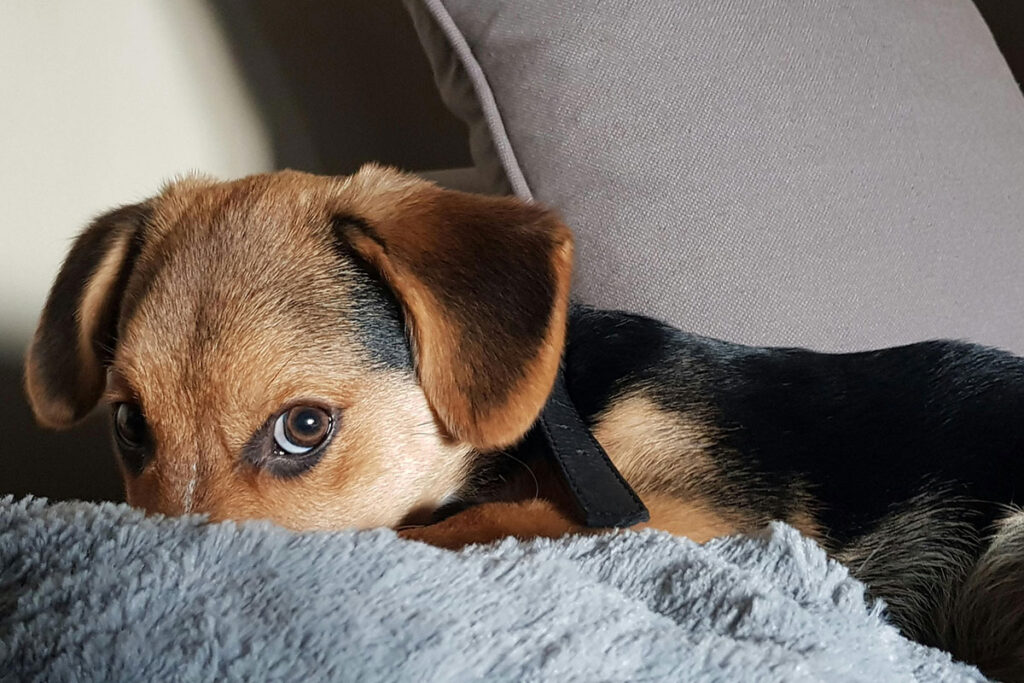
What Do Puppies Think About All Day?

Puppies’ thoughts revolve around three main things: food, play, and connection.

1. “Where’s My Next Meal?” – The Survival Instinct

  • Puppies are naturally wired to seek food and comfort.
  • Their sense of smell is 10,000 times stronger than ours, helping them locate meals and recognize their owners.

Even well-fed puppies display scavenging behaviors–it’s instinct!

2. “Let’s Play!” – Learning Through Fun

  • Play is a puppy’s way of learning. Tug-of-war, wrestling, and chasing games teach social and problem-solving skills and are key to healthy puppy behavior
  • Puppies love novelty–introducing new toys and challenges keeps them engaged.
  • They practice hunting skills by pouncing on objects (even if it’s just your shoelaces).

3. “I Love You, Hooman!” – The Need for Bonding

  • Puppies see their humans as part of their pack.
  • They communicate through body language, vocalizations, and scent.
  • A wagging tail isn’t always happiness–different wags have different meanings!

How Puppies See the World

Puppies experience their surroundings in fascinating ways.

Sight: Limited But Functional

  • Puppies are born nearly blind and develop full vision over weeks.
  • Their color vision is limited–they mostly see shades of blue and yellow.
  • Movement catches their attention more than still objects.

Smell: A Superpower

  • Puppies rely more on scent than sight to explore.
  • They can detect emotions through scent–your puppy knows when you’re stressed!
  • Some puppies recognize their littermates’ scent even after years apart.

Hearing: Extra Sensitive

  • Puppies hear sounds humans can’t, including high-frequency noises.
  • They start recognizing their owner’s voice at just a few weeks old.
  • Loud noises can be overwhelming–early socialization helps reduce fear.

Decoding Puppy Behavior: What Are They Trying to Tell You?

Your puppy is always communicating, even when they aren’t barking.

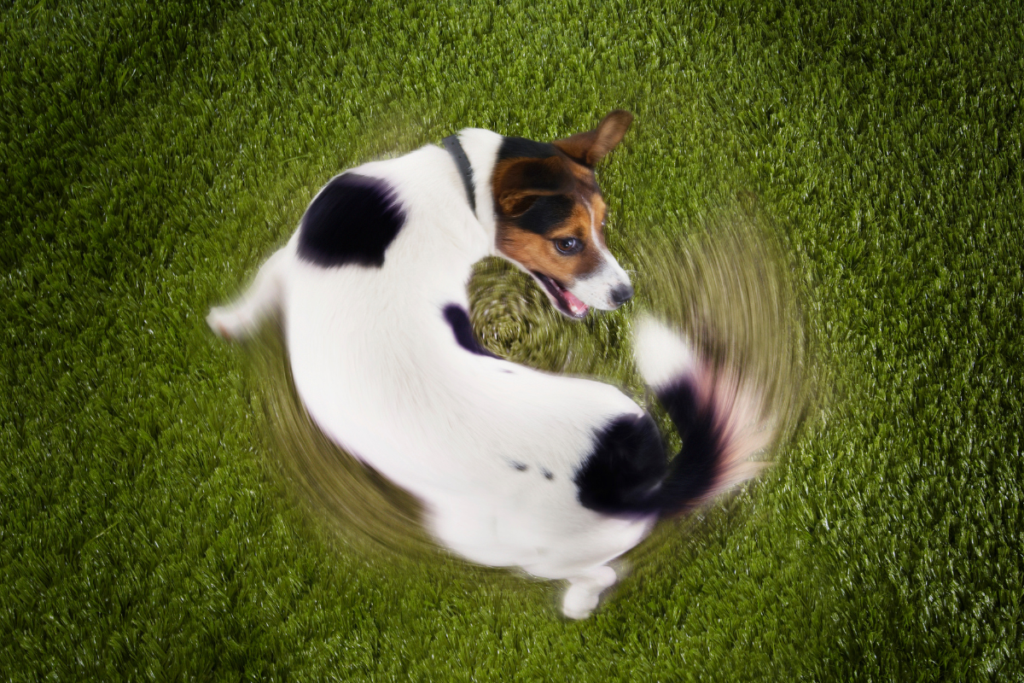
The Puppy Zoomies (FRAPs – Frenetic Random Activity Periods)

  • Zoomies help puppies release pent-up energy.
  • They’re a sign of a happy, playful pup.
  • Let them run it out in a safe space.

The Head Tilt – “I’m Trying to Understand You”

  • Puppies tilt their heads to focus on certain sounds.
  • This cute behavior may help them interpret human speech.
  • Frequent head tilts may indicate an extra curious or intelligent pup!

Chewing Everything – “I Need to Soothe My Gums”

  • Teething puppies chew to relieve discomfort.
  • Provide appropriate chew toys to protect furniture and shoes.
  • Frozen treats can help soothe sore gums.

Sleeping in Weird Positions – “I’m Comfortable”

  • Puppies sleep in odd positions when they feel safe.
  • Belly-up sleeping means they trust you completely.
  • Puppies sleep up to 18 hours a day–growing is hard work!

Do Puppies Have Dreams?

Yes! Puppies dream just like humans. Ever noticed your pup twitching or making little noises while sleeping? That’s a sign they’re in REM sleep, the dreaming stage.

What Do Puppies Dream About?

  • Scientists believe they replay daily experiences.
  • Your puppy might be dreaming about chasing a ball or playing with a friend.
  • Puppies have more frequent dreams than adult dogs because they are processing so much new information.

The Science of Puppy Love: Why Do They Love Us So Much?

Puppies don’t just love us because we feed them–they form genuine emotional bonds.

The Science Behind Puppy Affection

  • When puppies interact with their humans, their brains release oxytocin–the same “love hormone” humans experience when bonding.
  • Studies show that staring into your puppy’s eyes increases oxytocin levels in both of you.
  • The more love and care you show your puppy, the stronger your bond will be.

Conclusion: Unlocking the Secret Life of Your Puppy

Puppies are fascinating, intelligent, and deeply emotional creatures. Understanding their unique way of experiencing the world can help you build a stronger connection with them.
What Your Dog’s Breed Says About Your Personality

Dogs are more than just pets–they’re family, best friends, and, in many cases, a reflection of their owners. The breed of dog you choose can say a lot about your lifestyle, personality, and even your quirks. Whether you own a tiny, energetic Chihuahua or a laid-back Labrador Retriever, your furry companion may be telling the world more about you than you realize.

Labrador Retriever – The Friendly and Outgoing Optimist

If you have a Labrador, chances are you’re an easygoing, social, and positive person. Labs are known for their playful and affectionate nature, and their owners tend to be outgoing and approachable. You probably enjoy outdoor adventures, value family time, and have a generally sunny outlook on life. Labs love making new friends, and so do you.

German Shepherd – The Loyal and Determined Leader

German Shepherds are intelligent, strong, and protective. Their owners often share these traits, embodying leadership, loyalty, and a strong work ethic. You likely have a natural ability to take charge and a deep sense of responsibility. People trust you to be reliable and steadfast, and just like your dog, you take your commitments seriously.

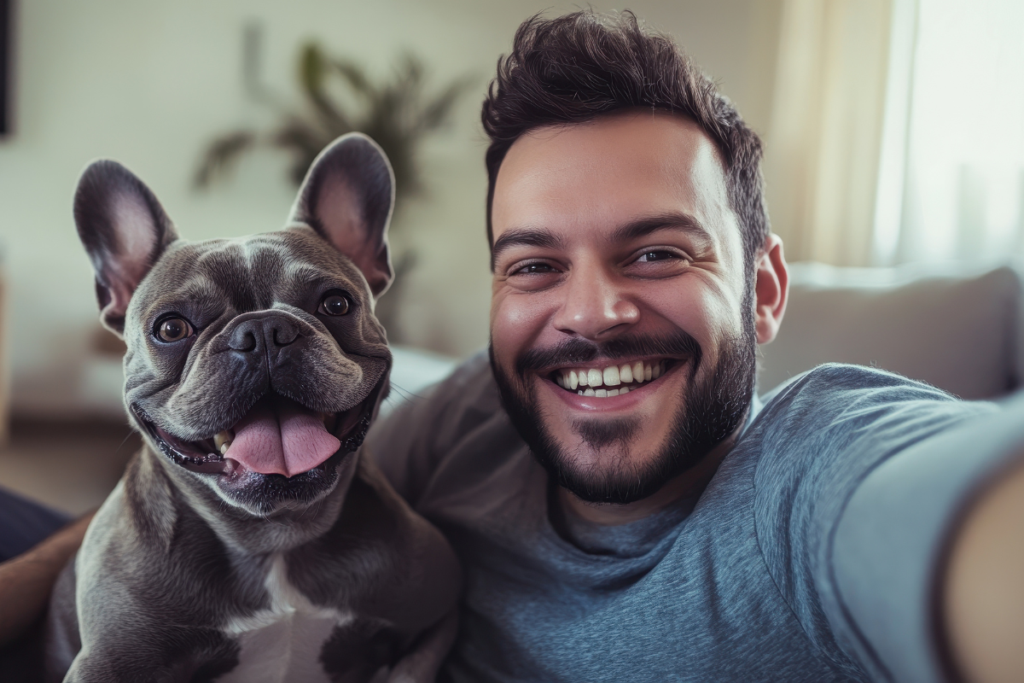
French Bulldog – The Charming and Trendy Socialite

French Bulldog owners tend to be stylish, fun-loving, and social. These compact and quirky dogs are affectionate and love being the center of attention, much like their owners. You might be drawn to city life, enjoy a good brunch with friends, and have an appreciation for the finer things in life. You have a fun and easygoing personality, but you also know how to command attention in a room.

Golden Retriever – The Warmhearted and Adventurous Free Spirit

Golden Retrievers are friendly, energetic, and always up for an adventure. Their owners are usually warm, generous, and love the great outdoors. You’re the type of person who makes everyone feel welcome, and you thrive on making others happy. Hiking, road trips, and impromptu weekend getaways might be your thing, and just like your dog, you never turn down an opportunity for fun.

Chihuahua – The Bold and Confident Firecracker

Don’t be fooled by their size–Chihuahuas have big personalities, and so do their owners. If you have one of these tiny but mighty pups, you’re likely confident, expressive, and not afraid to stand out. You know what you want and aren’t afraid to go after it. Some may underestimate you, but just like your Chihuahua, you have a strong presence that commands attention.

Border Collie – The Intelligent and Hardworking Perfectionist

Border Collies are known for their high intelligence and boundless energy, and their owners are often equally hardworking and ambitious. If you have a Border Collie, you probably thrive on challenges, are always looking for something to accomplish, and may even be a bit of a perfectionist. You have a sharp mind, love learning new things, and rarely sit still for long.

Bulldog – The Laid-Back and Loyal Comfort-Seeker

Bulldog owners tend to be easygoing, loyal, and incredibly devoted to the people they care about. You don’t need to be the life of the party to be happy–just give you good company and a cozy environment, and you’re content. You appreciate life’s simple pleasures, whether that’s a lazy Sunday on the couch or a walk through the park. Though you may seem laid-back, you’re fiercely loyal to those who earn your trust.

Dachshund – The Playful and Curious Individualist

Dachshund owners are independent thinkers who like to do things their own way. These small but fearless dogs are known for their curiosity and bold attitude, which mirrors their owners’ adventurous and free-spirited nature. You may have a mischievous side, love a good challenge, and enjoy standing out from the crowd. Life is never boring with you, and your dog is proof of that.

Poodle – The Sophisticated and Creative Thinker

Poodle owners are often intelligent, artistic, and refined. You value elegance but aren’t afraid to be playful, and you likely have a great appreciation for culture, whether it’s music, art, or fashion. You’re also highly adaptable and intuitive, which makes you a great problem solver. Like your Poodle, you enjoy a well-balanced mix of fun and sophistication.

Siberian Husky – The Adventurous and Free-Spirited Explorer

Husky owners are known for their love of adventure, independence, and resilience. If you have one of these energetic dogs, you probably have a strong, determined personality and a bit of a rebellious streak. You love the great outdoors and thrive in situations that challenge you. Just like your Husky, you’re always seeking new experiences and never shy away from a little excitement.

Basset Hound – The Easygoing and Thoughtful Observer

Basset Hound owners tend to be relaxed, thoughtful, and deeply observant. You enjoy a slow-paced, peaceful life and don’t feel the need to rush through things. While you may not be the loudest person in the room, your intelligence and keen sense of awareness make you a great listener. Like your dog, you’re loyal to those you care about and prefer quality over quantity when it comes to friendships.

While no two dog owners are exactly alike, there’s often a strong connection between a person’s personality and their dog’s breed. Whether you picked your dog based on lifestyle compatibility, aesthetics, or a gut feeling, chances are your furry friend reflects a little bit of who you are. No matter what breed you have, one thing is certain–your dog thinks you’re the best person in the world.

Potty Training Your Puppy: Fun, Fresh Tips For Success!

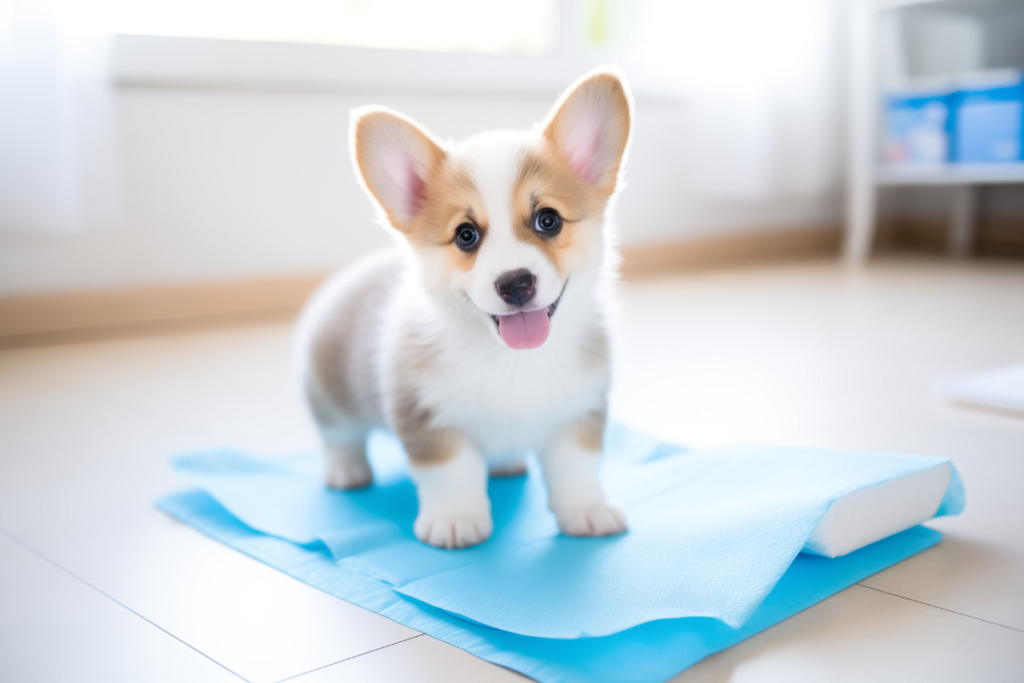
Bringing home a new puppy? Exciting, right? But let’s be real–potty training can be a bit of a rollercoaster. The good news? With some fresh techniques and cool new gadgets, teaching your pup where to go has never been easier (or more fun!). Check out these top trending potty training tips that’ll have your furry friend mastering the art of potty time in no time.

potty training puppy

1. Treats, Praise, and Happy Dances

Forget scolding–2025 is all about positive vibes! Puppies learn best when they’re rewarded for doing the right thing. So, whether it’s tasty treats, a belly rub, or even a little happy dance (we won’t judge), make sure your pup knows they nailed it when they potty in the right spot.

2. Routines Rule!

Dogs love a good routine–just like us with our morning coffee. Set a schedule for potty breaks, and stick to it like clockwork. Taking your pup out after meals, naps, and playtime helps them learn the ropes faster and keeps your floors accident-free.

3. High-Tech Help

Welcome to the future, where potty training gets a techy upgrade! Smart potty pads, treat-dispensing cameras, and apps that remind you when it’s potty time are total game-changers. Who knew training could be this high-tech?

4. Crate It Up

Crates aren’t just cozy dens; they’re amazing potty-training tools. Puppies naturally avoid making a mess where they sleep, so a properly sized crate helps them hold it until the next potty break. Just remember–slow and steady wins the crate-training race.

5. Ring That Bell

Want your pup to tell you when it’s time to go? Bell training is all the rage! Hang a little bell by the door and teach your puppy to tap it with their paw or nose when nature calls. It’s like a doorbell, but way cuter.

6. Go Green with Potty Training

Eco-conscious pet parents, rejoice! From reusable grass pads to biodegradable potty products, keeping things green while potty training your pup is totally doable–and trending!

7. Potty Training Sprays to the Rescue

If your pup is having trouble picking a potty spot, special sprays infused with pheromones can work wonders. Just spritz it where you want them to go, and voila! Instant potty zone.

8. Indoor Options for City Pups

Not everyone has a big backyard, and that’s okay! Indoor potty solutions like artificial turf patches or puppy litter boxes are lifesavers for apartment dwellers and those dealing with crazy weather.

9. Learn Your Pup’s Secret Signals

Your puppy has their own way of telling you they need to go–sniffing around, circling, or giving you that “I gotta go” look. Paying attention to their cues can save you from surprise accidents.

10. Patience, Persistence, and Lots of Paper Towels

Let’s be honest–potty training takes time. There will be accidents, but staying patient and consistent is key. Celebrate the wins and laugh off the oops moments. You got this!

With these fun and effective potty training tips, you’ll have your pup doing their business like a pro before you know it. Happy training!

The Ultimate Guide to Understanding Your Dog’s Body Language: What Every Tail Wag Really Means

Dogs may not talk, but they sure do have a lot to say! From the wag of their tail to the twitch of an ear, your pup’s body language is their way of chatting with you without saying a word. So, let’s decode the wag, the wiggle, and everything in between–because knowing what your dog is trying to tell you could be a tail-wagging game changer!

1. Tail Wagging: More Than Meets the Eye

A wagging tail is like a doggy text message–but not all wags are created equal!

  • Fast Wagging, Wiggly Butt: Hello, excitement! Your dog’s pumped and ready to play.
  • Slow Wag with Stiff Posture: Cautious vibes. They’re unsure and trying to figure out the situation.
  • High, Stiff Wag: “I’m in charge here!” This could be a sign of dominance or alertness.
  • Low, Tucked Tail: This one’s a “don’t hurt me” signal. Your dog’s feeling scared or submissive.
  • Neutral Wag: Just chillin’–your dog’s content and enjoying the moment.

Quick Tip: Look at the whole dog, not just the tail! A wagging tail with a stiff body isn’t as friendly as it seems.


2. Ears Tell All: The Doggy Radar

If your dog had WiFi, their ears would be the antenna! They’re the secret weapon in your quest to understand their emotions.

  • Ears Forward: “What’s that?”–they’re curious or focused on something interesting.
  • Ears Back: “I’m friendly, I promise!” Your dog’s trying to show they’re not a threat.
  • Ears Flat Against the Head: Uh-oh, something’s up. They’re stressed, scared, or feeling threatened.
  • Neutral Ears: Total zen mode. Your dog’s relaxed and just taking in the scene.

3. Eyes: The Window to Their Doggy Soul

If you want to know how your dog is feeling, just look into their eyes. Here’s what their peepers reveal:

  • Soft Gaze and Blinking: Relaxed and happy vibes. Your dog feels comfortable and loved.
  • Staring with Hard Eyes: This is a nope zone. Your dog might be feeling threatened or defensive.
  • Whale Eyes: Yikes! If you see the whites of their eyes, they’re feeling anxious or fearful.
  • Squinting or Avoiding Eye Contact: Your dog’s saying “I’m not sure” or “I’m a little nervous here.”

4. Mouth Movements: Smiles, Licks, and the Works

Your dog’s mouth is more than just for chomping down on treats–it’s a powerful communicator!

  • Relaxed Jaw, Open Mouth: Happy dog, happy life! They’re feeling calm, comfortable, and probably ready for a belly rub.
  • Lip Licking: Nervous energy alert! This could mean your dog’s feeling stressed or anxious.
  • Yawning: It’s not just about being sleepy. Your dog might be yawning to cope with stress or uncertainty.
  • Teeth Bared (Snarling): That’s your dog’s version of saying “BACK OFF.” Don’t take it personally!

5. Full Body Language: The Whole Shebang

Sometimes your dog’s trying to tell you something with their entire body. Don’t miss the big picture!

  • Wiggling All Over: This is puppy joy in its purest form! They’re super excited to see you or ready to play.
  • Frozen Stance: Freeze frame! Your dog’s feeling unsure or cautious, so give them space to assess the situation.
  • Play Bow: Front end down, rear up–this is the universal doggie “let’s play!” sign.
  • Shaking It Off: Not just for wet dogs! It’s your pup’s way of shaking off stress or resetting their mood.

6. Putting It All Together: Context is Key

Okay, so now you’re a pro at reading your dog’s tail, ears, and eyes. But to truly understand what they’re saying, you’ve got to look at the whole package–and consider the situation.

For example:

  • A wagging tail paired with a stiff body? Not as friendly as it sounds.
  • A dog yawning in their bed? Probably tired. A dog yawning at the vet? Definitely stressed.

It’s all about context–so pay attention to your dog’s surroundings and their overall vibe.


7. Why You Should Care About All This Doggy Body Language

Understanding your dog’s body language is a win-win. Here’s why:

  • Better Bonding: The more you understand them, the stronger your connection.
  • Improved Training: You’ll know when your dog is ready to learn and when they need a break.
  • Stress-Free Adventures: Recognize when they’re anxious or uncomfortable, and you’ll be able to ease their stress.
  • Health Alerts: Body language can reveal if your dog’s not feeling well before they even show symptoms.

Final Paws for Thought

Your dog may not be able to use words, but their body is speaking loud and clear! By tuning into their tail wags, ear positions, and little body cues, you’ll not only understand your dog better–you’ll also help keep them safe, happy, and healthy.

So next time you see your pup doing their thing, take a moment to read between the wags. They’re telling you exactly how they feel! 🐾

The Best Way to Clean Up Dog Hair

Dog hair can be a persistent problem for pet owners. It seems to find its way into every nook and cranny of our homes, clinging to furniture, carpets, and clothing. While it may seem like an endless battle, there are several effective methods for cleaning up dog hair that can make the task more manageable.

One of the most efficient ways to tackle dog hair is by using a vacuum cleaner specifically designed for pet hair removal. These vacuums often come with specialized attachments that can easily pick up stubborn hairs from upholstery and carpets. Additionally, they have powerful suction capabilities that can effectively remove loose hairs from surfaces. When using a vacuum cleaner, it is important to go over each area thoroughly and in different directions to ensure all the hair is picked up.

Simple But it Works!

Another effective method for removing dog hair is by using lint rollers or sticky tape. These tools are particularly useful on clothing or fabric surfaces where vacuuming may not be as effective. Simply roll the lint roller over the surface, pressing down firmly to pick up any loose hairs. Alternatively, wrap sticky tape around your hand with the adhesive side facing outwards and pat it gently on the surface where dog hair is present. This method works well on smaller areas or when you are in a hurry.

Regular Grooming is Key

Regular grooming of your dog can also help reduce shedding and minimize the amount of loose hair in your home. Brushing your dog’s coat daily will remove loose hairs before they have a chance to fall off onto furniture or floors. Additionally, regular bathing will keep your dog’s coat clean and healthy, reducing excessive shedding.

Prevention

To prevent dog hair from accumulating on furniture or bedding, consider using washable covers or throws that can easily be removed and cleaned when necessary. This will not only protect your furniture but also make cleaning up easier as you can simply toss them into the washing machine.

In addition to these methods, there are some preventive measures you can take to minimize the amount of dog hair in your home. Regularly washing and vacuuming your dog’s bedding will help remove any loose hairs that may have accumulated. Additionally, keeping your dog off furniture or designating specific areas where they are allowed can help contain the spread of hair.

It is important to note that some dogs shed more than others, and certain breeds are known for their excessive shedding. If you have a breed that sheds heavily, it may be worth considering professional grooming services or investing in a high-quality pet hair removal tool. Cleaning up dog hair can be a challenging task for pet owners. However, by using the right tools and techniques, it is possible to keep your home free from excessive shedding. Regular grooming, vacuuming with specialized pet hair attachments, using lint rollers or sticky tape, and employing preventive measures such as washable covers can all contribute to a cleaner living environment. With these strategies in place, you can enjoy the company of your furry friend without constantly battling against their shedding.

The Basics of Dog Training

Dog training is an essential part of owning a pet, ensuring they are well-behaved, obedient, and happy. To effectively train your furry friend, it’s crucial to understand the basics of dog training.

– Establish clear communication with your dog.

– Use consistent verbal cues and body language.

– Dogs respond best to positive reinforcement.

– Reward your pup with treats or praise when they exhibit desired behaviors. – Don’t forget, your body language is very important while communicating with your dog.

Consistency Is Key

Set a routine for training sessions and stick to it. Short and frequent sessions work best as dogs have limited attention spans. Patience is essential during the training process as dogs learn at their own pace. Lastly, remember that every dog is unique; tailor your training approach to suit their individual needs and personality traits. By grasping these fundamental principles of dog training, you will be better equipped to establish a strong bond with your canine companion and achieve successful results in their behavior development.

Establishing A Positive Relationship with Your Dog

Building a strong and positive relationship with your dog is essential for successful training. It is important to create an environment of trust and respect that encourages cooperation and understanding between you and your furry companion. To achieve this, start by spending quality time together, engaging in activities that both of you enjoy.

Regular exercise not only keeps your dog physically fit but also helps release pent-up energy, reducing behavioural issues. Avoid punishment or harsh methods as they can damage the trust between you both.

Effective Techniques for Teaching Basic Commands

When it comes to training your dog, initial basic commands lay the foundation for a well-behaved and obedient pet. Commands such as sit, lay, paw, and wait allow your dog to recognize commands. In time your dog will build up to more complicated commands that require more effort on his part.

Addressing Common Behavior Issues in Dogs

When it comes to training our furry companions, addressing common behavior issues is essential for a harmonious household. One prevalent issue faced by dog owners is excessive barking. To tackle this problem, it is crucial to identify the underlying cause, such as boredom or anxiety, and address it appropriately through mental stimulation, exercise, and positive reinforcement techniques.

Start Training Young

Ever hear of the saying “you can’t teach an old dog new tricks?” Well, you can, however, it is easier to teach a puppy new tricks because they don’t have many bad habits yet. Start training very basic commands at a young age and the trickier and more complicated commands will be easier for them to learn as they mature.

It’s A Process

Training your dog is something that takes time and patience. You need to remember; your dog is happy when you are and does not want to disappoint you. Being patient and positive will allow better long-term results. A little training each and everyday will go a long way!

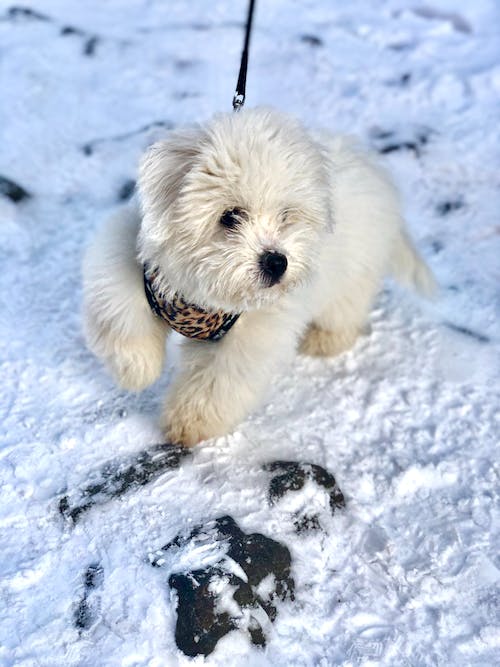
Protecting Your Dog Against Frostbite

As winter sets in and temperatures drop, it is essential for pet owners to take extra precautions to protect their furry friends from the harsh elements. Just like humans, dogs are susceptible to frostbite, a condition that occurs when the skin and underlying tissues freeze due to prolonged exposure to extreme cold. To ensure the well-being of our beloved companions, it is crucial to understand the signs of frostbite and take preventative measures.

Symptoms To Look For

Frostbite primarily affects areas with minimal insulation, such as ears, paws, and tails. The initial symptoms include pale or bluish skin coloration, coldness upon touch, pain or discomfort when touched or manipulated, and swelling. As the condition progresses, affected areas may become discolored (turning gray or black), develop blisters filled with fluid or blood, and eventually slough off. In severe cases, frostbite can lead to tissue death and infection.

Preventative Measures

To protect your dog against frostbite during winter walks or outdoor activities, consider these preventative measures:

1. Limit exposure: When temperatures plummet below freezing point or wind chills are dangerously low, it is best to minimize your dog’s time outdoors. Shorten walks and opt for indoor playtime instead.

2. Dress appropriately: Just like humans wear warm clothing during cold weather conditions; dogs can benefit from protective gear too! Consider investing in a well-fitted dog coat or sweater that covers their chest area adequately.

3. Protect their paws: Paw pads are particularly vulnerable to frostbite since they come into direct contact with icy surfaces. Before heading outside on snowy days, apply a thin layer of petroleum jelly on your dog’s paw pads for added protection against freezing temperatures.

4. Booties: If your furry friend tolerates them well enough (some dogs may need time getting used to them), consider using booties specifically designed for dogs during walks in snow-covered areas. These booties provide insulation and prevent contact with cold surfaces.

5. Keep them dry: Moisture can exacerbate the effects of cold weather on your dog’s skin. After returning from outdoor activities, thoroughly dry their fur, paying extra attention to paws and ears.

6. Provide shelter: If your dog spends time outdoors, ensure they have access to a warm and insulated shelter. The shelter should be elevated off the ground, have proper bedding (straw or blankets), and be small enough to retain body heat.

7. Monitor for signs of frostbite: Regularly inspect your dog’s ears, paws, and tail for any signs of frostbite. If you notice any abnormalities or suspect frostbite, consult your veterinarian immediately.

8. Adjust their diet: During winter months, dogs may require additional calories to maintain their body temperature effectively. Consult with your veterinarian about adjusting their diet accordingly.

By following these preventative measures, you can significantly reduce the risk of frostbite in your furry friend during winter months. Remember that prevention is always better than treatment when it comes to protecting our beloved pets from the harsh elements of nature.

Frostbite is a serious condition that can affect dogs during winter months if proper precautions are not taken. By limiting exposure to extreme cold temperatures, dressing appropriately, protecting their paws with booties or petroleum jelly, keeping them dry after outdoor activities, providing adequate shelter and monitoring for signs of frostbite regularly; pet owners can ensure the well-being of their furry companions throughout the winter season.

Let us prioritize our pets’ safety by taking proactive steps in protecting them against this potentially harmful condition – because they deserve nothing less than our utmost care and love all year round!

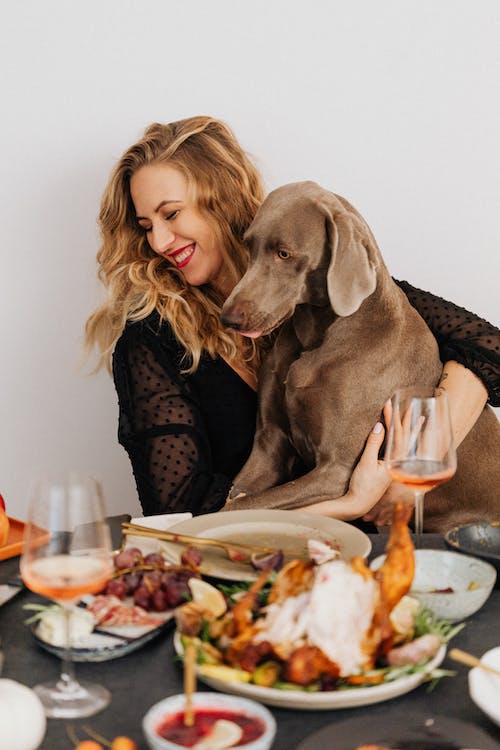
Thanksgiving Foods Your Dog Can Try

Thanksgiving is a time for family, gratitude, and of course, delicious food. As we gather around the table to indulge in our favorite holiday dishes, it’s only natural to want to share this joy with our furry friends. However, it’s important to remember that not all Thanksgiving foods are safe for dogs. Fortunately, there are several options that can be enjoyed by both humans and canines alike.

The Most Common

One such treat is plain cooked turkey. Dogs can benefit from the lean protein found in turkey meat, but it should be free from any seasoning or bones which can pose a choking hazard or cause digestive issues. Additionally, sweet potatoes are a nutritious option for dogs as they are rich in vitamins A and C. Mashed sweet potatoes without added sugar or spices make a tasty and healthy addition to their meal.

Don’t Forget the Greens!

Furthermore, green beans are another Thanksgiving staple that dogs can enjoy. These low-calorie vegetables provide fiber and essential nutrients while being gentle on their digestive system. Simply steam or blanch them before serving.

Leave Room for Dessert

Leave Room for Dessert

Lastly, pumpkin puree is an excellent choice for dogs during Thanksgiving festivities. It aids digestion and can alleviate constipation or diarrhea in pets when served in small amounts.

Foods To Avoid

While it’s tempting to share every dish with our beloved pets during this festive season, it’s crucial to avoid certain foods like onions, garlic, grapes/raisins, chocolate, and anything containing xylitol as they can be toxic to dogs.

Moderation Is Key

Although we love making our pups smile, we need to remember that they are dogs and moderation is very key. Be sure to regulate and monitor how much food they eat, especially if its food they are not accustomed to on a regular basis.

In conclusion, Thanksgiving doesn’t have to exclude our four-legged companions from enjoying some special treats. By providing them with plain cooked turkey meat (without bones), mashed sweet potatoes (without sugar or spices), steamed green beans, and pumpkin puree (in moderation), we can ensure they partake in the holiday feast safely while keeping their health at the forefront of our minds.

Cool Puppy Names Thinking Outside the Box

Although there are many exciting things about getting a new puppy, one of the most exciting is picking out his or her name. Although some of the “old school” names like Spot still work, check out our list of some very unique names and the meaning behind them.

Abe

Of English origin and meaning “Father of Nations,” it was also the name of the U.S.’s 16th president.

Ace

A term for the best card in the deck, “ace,” can also mean an expert or pro.

Alfie

A classic 1966 rom-com starring Michael Caine that was remade in 2004 with Jude Law.

Ali

Iconic boxer Muhammad Ali floated like a butterfly and stung like a bee who won Olympic gold in 1960 and was the boxing heavyweight champion along the way.

Alpha

The first letter of the Greek alphabet, the name Alpha, will let all the other dogs know who’s the top dog!

Amigo

Meaning “friend” in Spanish, this is a perfect dog name for your new best friend.

Andy

Short for Andrew, which means “brave” or “manlike” in Greek.

Apollo

The name of the Greek god of sun and light also belongs to six outer space missions that successfully landed humans on the Moon.

Astro

Greek for “of the stars,” and also Houston’s Major League Baseball team.

Atlas

In Greek mythology, Atlas is the Titan who holds up the world.

Avery

This name of English origin means “ruler of the elves.”

Axel

Dating as far back as the 10th Century, the name Axel has many other spellings, including Aksel.

Bacardi

One of the all-time best-selling rums in the world.

Bailey

A creamy Irish liquor enjoyed in coffee in the morning or on the rocks in the evening.

Baloo

The easygoing bear character of “The Jungle Book.”

Bandit

Meaning a thief, this pup name could be perfect for your little pup who stole your heart!

Banjo A twangy instrument popularized by Earl Scruggs.

Eisenhower

Dwight D. Eisenhower was the 34th president of the United States.

Eli

Short for names like Elijah and Elliott, and meaning “elevated” in Hebrew.

Elvis

After “The King,” Elvis Presley, of “Jailhouse Rock” “Hound Dog” fame.

Fenway

Fenway Park is one of the most iconic stadiums in baseball and home to the legendary Boston Red Sox.

Finley Signifying a “fair-haired hero” in Scottish.

Finn

For fair-skinned male dog names, this literally means “fair or white” in Irish.

Finnegan

Also means “fair-haired” in Irish.

Flash

A good name for a sporty-looking pup.

Flex

A name with a macho vibe.

Ice

For the dog who is cooler than the other pups!

Igor

A common Russian and Polish name meaning “farm laborer.”

Jager

Short for Jägermeister, the licorice-flavored liqueur.

Jake

Short for Jacob, meaning “supplanter.”

Jager

Short for Jägermeister, the licorice-flavored liqueur.

Lincoln

The U.S. president on the penny, or a luxury automobile company.

Link

The main character in Nintendo’s “The Legend of Zelda” video game series.

Linus

Sibling of Lucy and Rerun in the iconic “Peanuts” franchise.

Marlin

A fish found in oceans throughout the globe.

Marshall

A Scottish name meaning “lover of horses.”

Martini

A cocktail that’s a favorite of James Bond.

Ninja

For a stealthy dog, or one with all black fur, like the ninja’s outfit.

Norman

Golfers can name their pup after “The Great White Shark,” former world No. 1, Greg Norman.

Noah

A biblical character known for his ark.

Porsche

The German maker of high-performance sports vehicles.

Presley

Last name of Elvis, the King of Rock’ n Roll.

Raven A bird, an Edgar Allan Poe poem, and Baltimore’s NFL team.

Rebel

For the dog who goes against the flow and shakes things up.

Red

The color of Mars, roses, bricks, and maybe your dog’s coat, too.

Teddy

Like a stuffed teddy bear, you’ll just want to snuggle with him.

Thunder A powerful name for the noise that comes after lightning.

Six Amazing Breeds of Dogs That Are Not Talked About Enough

There are hundreds of dog breeds in existence, all with different qualities and traits. Realistically, despite similarities, there are no two identical dogs. Each dog has its own personality and mind which means each breed of dog brings something unique to the table. In this blog we are going to “dig” into a few breeds that make great family pets despite not being talked about that often.

Puli

The Puli is a very old Hungarian dog breed that dates all the way back to the Middle Ages. Many believe that this breed is a direct ancestor of the Poodle. Around World War II this breed was nearly extinct but was revived by hobbyists. The Puli makes a great family pet and has many desirable qualities. It should be noted that their coats are high -maintenance and do require work to keep looking their best.

Schipperke

The Schipperke has a similar appearance to the Sheepdog and was originally bred to work on barges in Belgium canals in the 1800’s. This is a working breed of dog that has high energy levels and likes to be on the move. This breed of dog has transitioned into a very well-liked family dog who has a loving and caring personality. The Schipperke makes a great fit for families that want the heart of a big dog but in a smaller package.

Basenji

The Basenji is considered to be one of the most primitive and oldest breeds of dog in existence. This dog has been traced back to pyramids in Egypt. A great trait of this breed is that they are not known to overly bark, however, can be heard yodeling at times. One of the most unusual facts about this breed is that, like wolves and another primitive dog called a dingo, female Basenjis only come into heat once a year, unlike all other domestic breeds that come into heat two times a year. The Basenji is a loving and social dog that makes a great family pet.

Brussels Griffon

Also known as the bearded dog, the Brussels Griffon is known for its long hair around its snout and for its large expressive eyes. This is a playful and active breed of dog that has a very outgoing personality. They are also considered to be hypoallergenic which is great for those of us who suffer from allergies. This breed also does well in families that have children thanks to their warm demeanors.

Chinese Crested

Many experts believe the Chinese Crested is essentially a smaller version of the African hairless dog. Chinese merchants acquired African hairless dogs on their trips to the continent and bred them to be smaller, producing the Chinese Crested. They originally were known for their abilities to hunt rats on ships but have evolved into a great family pet. This breed has a double coatthat tends to be soft, silky and straight, although some may have curly hair. Both the Hairless and Powderpuff shed very little, and generally makes a great pet for people with allergies.

Bedlington Terrier

The Bedlington Terrier, also known as the Bedlington, is a playful and active dog breed that is known for its loyalty. They are also very friendly dogs who quickly warm up to visitors and new people. This breed emerged in the parish of Bedlington in Northumberland, England in the early 19th century. They were originally called the Rothbury Terrier, after the namesake district on the English coast. The Bedlington Terrier is also considered to be hypoallergenic, which is a big plus for those who suffer from allergies.

All of these unique dogs have a lot to offer. They make great family pets and despite being different in many ways they all share on quality. They will all win your heart in no time at all!

Call Now Button