Up To $1,500 OFF Select Puppies Up To $1,500 OFF Select Puppies Up To $1,500 OFF Select Puppies

Homemade Dog Treats Your Pup Is Going to Love!

Homemade dog treats come with a variety of benefits. For one, you know the ingredients in them. They are also less expensive than commercially produced dog treats. They are also something fun to make! Before feeding your pup anything that he normally does not eat, it is always recommended that you check with your veterinarian first. It’s always better to be safe than sorry. Below is a list of our favorite homemade dog treats that we think your pup will enjoy!

Baked Chicken Treats

For a quick and easy treat, consider this homemade baked chicken dog treats from Eileen Anderson. Using a basic pyramid pan, this recipe can make about 500 small treats that your dog will drool over. After being baked, you can refrigerate or freeze the treats.

Treat Ingredients:

  • 1 10-ounce can of chicken, including liquid
  • 2 eggs
  • 1 cup tapioca flour
  • ½ cup of white flour
  • 1 tablespoon of coconut oil

Baking Directions:

  1. Preheat oven to 350ºF.
  2. Blend chicken and eggs in a food processor.
  3. Pour the mixture into a bowl, and stir in flour and oil. This batter should be a little thicker than pancake batter but still pourable.
  4. Spread the batter onto the silicone mold on a cookie sheet, making sure it’s in the holes, and then scrape it off the dividers.
  5. Bake for 12 minutes.
  6. Once cooled, turn over the mold and dump the treats out.
  7. You can bag up the treats and refrigerate or freeze them.

Homemade Bacon Pyramid Pan Treats

Is your fur-legged friend a fan of bacon? If so, this simple recipe by Michelle Taylor will be a hit. With four basic ingredients, this is a great homemade treat for beginners.

Treat Ingredients:

  • ½ package of bacon
  • 2 eggs
  • 150 grams of gluten-free flour
  • Water to thin

Baking Directions:

  1. Preheat oven to 350ºF.
  2. Blend the bacon and eggs.
  3. Add flour. Stir in water if the batter needs to thin.
  4. Smooth the batter over the baking mat and bake for eight minutes.
  5. Once cooled, cut the treats into bite-sized pieces.
Peanut Butter Dog Treats

Peanut Butter Dog Treats

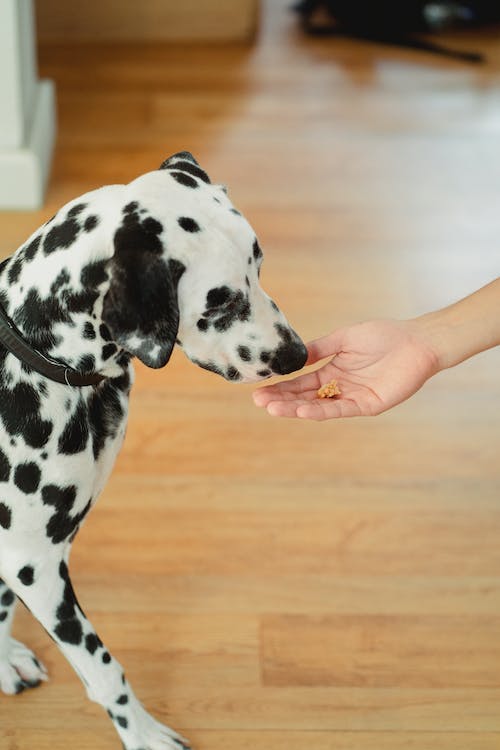
Almost all dogs love the creamy and sweet taste of peanut butter. If your dog is a fan of it, give these treats by Eileen Anderson a whirl!

Treat Ingredients:

  • 2 eggs, beaten
  • 2 tablespoons canola oil
  • ½ cup peanut butter powder
  • ½ cup white flour
  • ½ cup tapioca flour
  • ½ cup water

Baking Directions:

  1. Preheat oven to 350ºF.
  2. Mix the ingredients until smooth.
  3. Pour the mixture into the pan.
  4. Bake for 12 minutes or until the treats are soft but still drawing away from the side of the pan.
  5. Once cooled, stretch the pan and dump the treats out.

Cheese and Sardine Pyramid Pan Dog Treats

Looking for a protein-packed treat for your pup? If so, this cheese and sardine dog treat is the answer.

Treat Ingredients:

• 1 can of sardines

• 2 eggs

• 150 grams of grated Parmesan cheese

• A handful of roasted vegetables

• 75 grams of tapioca flour (or plain flour)

• Water

Baking Directions:

1. Preheat oven to 320ºF.

2. Blend all the ingredients in a blender to make a thick batter. Add water as needed to make it thicker.

3. Smooth the mixture over the baking mat and bake for about 15 minutes or until crispy.

4. Once cooled, cut into small pieces.

Cheddar-Apple Dog Biscuits

This classic one is from Martha Stewart and is a combination of cheddar and apple.

Treat Ingredients:

  • 2 cups barley flour
  • ½ cup old-fashioned oatmeal
  • 1/3 cup shredded cheddar cheese
  • 1/4 cup grated Parmesan cheese
  • 1/3 cup unsweetened applesauce
  • 2 tablespoons olive oil

Baking Directions:

  1. Preheat oven to 350ºF. Line a baking sheet with a nonstick baking mat or parchment paper. Set aside.
  2. In a large bowl, mix together all ingredients and about 3 tablespoons of water to form a dough. Roll out the mixture between two sheets of plastic wrap to ¼-inch thick. Remove plastic wrap and cut out biscuits with a 3 ½-inch bone-shaped cookie cutter. Re-roll scraps and continue cutting out biscuits.
  3. Space biscuits 1 inch apart on a prepared baking sheet. Bake for 30 minutes until nicely browned and firm.
  4. Transfer biscuits to a wire rack. Turn off the oven and place the biscuits on a wire rack in the oven overnight. Remove from the oven and store in an airtight container for up to two weeks.

We think your pup will love these tricks, which are all healthy sources of nutrition. As mentioned earlier, always check with your veterinarian before feeding your dog anything new.

Five of the Newest Cool Dog Breeds

From time to time, The American Kennel Club (AKC) adds new breeds of dogs to its registry. Being added to their list as a new breed is not something that happens with ease. The American Kennel Club has a rigorous screening process with extremely strict eligibility requirements in order for a dog to be recognized as a new, pure breed. These requirements include a national breed club with at least one hundred members and a population of third-generation dogs numbering at least three hundred. That is not easy to find. The dogs must also be found in at least twenty states in the U.S. To demonstrate how selective this process is, there have only been fifteen new breeds added to this registry since 2015. We rounded up five of these new breeds registered in the last five years to help you get more familiar with them.

Barbet

Initially registered in 2020, Barbet Dog is one of the AKC’s most recent additions. The Barbet has been shown off in French artwork that dates back as far as the early 16th century. This breed gets its name from the French word “barbe,” which means “beard,” and by looking at this pup you will understand why. The Barbet Dog is a rare dog breed, with a long coat similar to a Poodle, that consists of thick fur that transitions into tight curls. The Barbet is a very loyal and smart breed of dog that has an appearance as unique as its personality.

Azawakh

The Azawakh originated in West Africa and is a tall and slender dog. Although this breed has been around for a very long time, it wasn’t listed on the registry until 2019. This dog was originally developed to be a hunting dog. The Azawakh is a very rare breed and consequently, a very expensive breed. They have a similar, but not identical, appearance of a greyhound and are very athletic. Today’s Azawakh is still commonly used as sighthounds. The Azawakh does make a great pet and tends to be happy when his family is happy.

Dogo Argentino

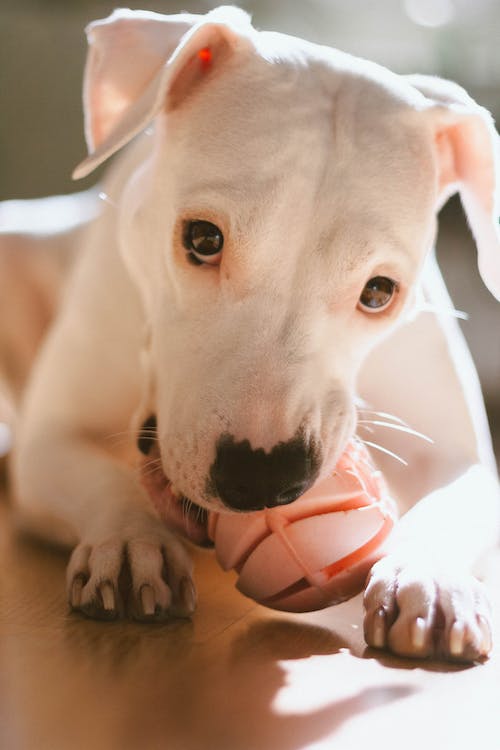
The Dogo Argentino is a strong and muscular dog which was developed in Argentina for hunting large game. This rare breed, which was initially registered in 2020, is also very expensive. The Dogo Argentino is a strong looking and focused dog that has a very alert mind and a strong will. They are known for their loyalty and protective personalities. Despite their somewhat intimidating appearance, they are not known to be aggressive dogs. This breed does make a good family pet if you are able to find one.

American Hairless Terrier Dog

Despite their name, the American Hairless Terrier can be found in both hairless and coated varieties. This breed descended from a single Rat Terrier that was selectively bred for its hairlessness qualities. In 2016 the American Hairless Terrier dog breed was officially recognized. This breed is known to be outgoing, energetic, curious, and loyal. They are also very good at hunting small rodents. They make great family pets and are not known to excessively shed.

Nederlandse Kooikerhondjie Dog

The Nederlandse Kooikerhondjie was originally bred in the Netherlands to serve as a duck decoy dog. They were very good at luring fowl to their doom into “Eendenkooi,” which is a man-made pond trapping cage. Their Dutch name translates to “small cager dog,” and their unique tails helped entice ducks into these areas. Despite the Nederlandse Kooikerhondjie being very popular in the Netherlands for centuries, they were not registered with the AKC until 2018. This is a quality breed of dog that does well in families of all dynamics.

What You Need to Know Before Buying Your First Puppy

A dog isn’t merely a pet. Ask any dog owner, and they’ll tell you their dog is a bonafide family member! Dogs are full of personality, energy, and loyalty. They take their duties to faithfully protect you and your family to heart, even if they’re pint-sized. And just like people, dogs can feel down in the dumps if they don’t get enough love and attention.

In many ways, caring for a dog is right up there on the commitment scale next to choosing your spouse, and we aren’t kidding! The average dog lives a solid 15 to 20 years, while the average American marriage lasts only 8.2!

Man’s best friend, indeed…

A deep companionship between you and your puppy is formed the day you take your new, soft lump of love home, and the last thing you want is to go into the relationship unprepared or, worse, unable to properly care for your furry family member in both the short and long terms.
If you’re thinking about getting a dog, there are 9 things to consider.

THE TIME COMMITMENT

Dogs are far from independent creatures, and puppies can be a real handful. Unlike other pets who enjoy solitude, canines require attention first thing in the morning and quality social time with their owners daily. We’re talking a total of at least two hours each day, which includes meal times, potty walks & play walks—yes, there’s a difference!—and plenty of snuggling in the evenings.

KEEPING YOUR DOG HAPPY WHEN YOU’RE APART

Are you a socialite or a world traveler? Do you frequently leave town for work trips? If so, who will care for your dog during your away time? This is an important aspect to consider as part of your decision to get a puppy because to keep your dog happy, healthy, and cared for, you’ll need to make arrangements ahead of time to ensure all of your dog’s needs are met while you’re away.

But don’t worry, you have options. Hiring a dog walker or even a dog sitter who can stay at your home overnight will do the trick and is an ideal solution compared to using a boarding kennel. That being said, the right boarding kennel could work. Just be sure to research the facility and the company’s reputation beforehand. Alternatively, having a friend or family member stop in on your dog multiple times a day is a way to keep your dog happy while you’re away.

Tip: If you lead a busy life and aren’t home much, you may need to better accommodate your dog’s need for social time and space by hiring a dog walker, bringing your dog to doggy daycare, or asking a trustworthy friend or neighbor, or loved one to stop in to walk, feed, and play with your pup.

DOGS NEED SPACE

No one likes to feel cooped up, and dogs are susceptible to feeling penned in. For this reason, it’s essential to ask yourself, do you have room for a dog, and how much space do dogs need? Depending on the breed and temperament, your dog may need a lot or a little space to feel comfortable inside. Still, even if you live in a small apartment, your playful pup will feel fine as long as there’s quality playtime outside each day during which they can run, jump, and get their energy out.

RAISING A PUPPY & DOG TRAINING

If the burning question at the forefront of your mind is, how much work is raising a puppy? Then you are right over the target! Raising and training your new puppy requires patience and consistency, which could be challenging if you’re also employed full-time, caring for your children or other loved ones, or just plain juggling several balls in the air. The most important aspect to remember here is that the first two or three weeks will be the most intense due to initial housebreaking training as soon as you bring your puppy home.

Getting your new puppy not to go wee-wee in the living room is one matter, but training your puppy to be well-behaved and listen on command is quite another endeavor. Ask yourself, who will train your dog? Can you commit to training your dog, or should you hire a trainer?

FIND THE RIGHT VETERINARIAN

Your dog’s health will directly impact its overall happiness, and there are many healthcare milestones along a puppy’s journey to adulthood and beyond. Within the first year, your puppy will need to receive vaccinations every three weeks until they are about sixteen weeks old and start prevention medications for heartworms, fleas, and ticks. After your puppy matures, it should get spayed or neutered, and beyond that, you can expect to bring your dog to the vet annually for checkups, according to to Fetch by WebMD.

CONSIDER ALL RELATIONSHIPS

We’ve all cherished those movie moments when someone opens a present, and an adorable puppy jumps out. Still, in real life, you want to avoid surprising your family, significant other, or friend with a puppy if doing so will be entirely out of the blue. Bringing a dog into your life and the lives of those around you is a big decision with long-term impacts, so it’s critical to not only consider your family and their potential new relationship with the puppy but to also discuss the possibility of a puppy with them so that everyone understands that having a new dog at home will mean significant changes for everyone.

PUPPY-PROOFING

To elaborate on raising and training a puppy, we want to emphasize the importance of puppy-proofing your home. Puppies are curious by nature and playful at heart. Still, if they get curious about the wrong thing, such as the kitchen trash, they could quickly turn their curiosity about all those exciting garbage smells into a game that ends with your home covered in trash—yikes! Or worse, your new puppy could accidentally get injured by venturing into the wrong room with hazardous materials, for example. Like the precautions parents take with their toddlers at home, you must puppy-proof your house.

Puppy-Proofing Checklist


  • Buy garbage receptacles that have locking lids
  • Remember to always keep the exterior doors and windows of your home closed and locked when you aren’t around
  • Make sure dangerous and sharp objects, including knives, scissors, and tools, are never left out or within your puppy’s reach if you are using the item
  • Keep all potential choking hazards like marbles, coins, jewelry, thumbtacks, etc., in closed containers, and be sure that your prescription medications remain in the medicine cabinet
  • Make a habit of keeping your toilet lids down, or buy toilet clamps to lock your toilets closed
  • Puppies love to chew, so keep all electrical cords either out of reach or use cord concealers
  • Resist the urge to sneak table scraps to your puppy since several foods are poisonous to dogs, including chocolate, raisins, and Xylitol, as found in sugarless gum and other sugarless food items


PURCHASING VS. ADOPTING A NEW DOG

If you’ve made it this far, considering everything you need to know before getting your first puppy, then it’s time to decide where you will get your new dog. Should you purchase the dog? Or should you adopt a dog from the local animal shelter? There are many differences between the two options, but the main one is this—you can purchase a puppy, but adopting a puppy from a shelter is virtually impossible. Animal shelters tend to home adult-age dogs and cats who have been dropped off by their prior owners. Rarely will someone bring an unwanted puppy to a shelter. That being said, adoption has pros; the greatest is that you won’t have to housebreak the dog.

MOST IMPORTANTLY, WHY DO YOU WANT A DOG?

The big takeaway is that having a new puppy requires a significant, long-term commitment. The deep bond and long-lasting relationship formed starting the day you get your first puppy can change your life and fill your heart with joy. Please make sure you’re in it for the long haul. Caring for your new dog will take time, money, and a lot of know-how, but along the way, you will experience the daily joys of loving and watching your puppy grow into a mature, charismatic dog.

Ways to Make the Holidays Safer for Pets

As the holidays approach we think about nice family dinners, festive music, and holiday cheer. It is a time of year like nothing else and there seems to be a unique peace in the air. What many dog owners do not realize is it is also a risky time of the year for our fur-legged friends. Not because Santa will scare them when he comes down the chimney, but because of very common items in our home that come out this month.

People food

Let’s start off by talking about food. During the holidays we often have get-togethers and share meals much larger than an average dinner. Many foods that we will enjoy should not be eaten by our fur-legged friends. Below is a list of foods that are the most dangerous for dogs to eat.

  • Rich, fatty foods.
  • Meats that have bones in them
  • Onions and garlic
  • Chocolate
  • Alcoholic beverages
  • Raisins/grapes
  • Nuts
  • Milk Products

Potpourri and Candles

Although potpourri and candles look and smell great, they can make your fur-legged friend sick should he use them as a treat. Candles are also a fire hazard should your dog knock one over that is lit. Always keep items such as these well out of your dog’s reach. If these items are on a counter or table take into consideration that your dog still may be able to reach them. Playing safe than sorry as to wear you leave these items is also recommended.

Holiday Plants and Flowers

A very popular item found during the holiday season is decorative plants such as holly and mistletoe. Many plants and flowers can cause your dog to become very sick if digested. Dogs are always curious to try a new “food” and certain items such as these can cause your dog harm. Be sure to place these items in an area that your dog is unable to reach. We often place flowers near a window for sunlight which is also an area your dog has access to.

Tinsel On Your Christmas Tree

While tinsel isn’t “poisonous” per se, it’s extremely dangerous to your dog should he consume it. Swallowing tinsel can lead to internal issues as well as basic choking issues for your dog. Tinsel is generally shiny which catches your dog’s attention and may be too much for him to resist. Many dog owners do not even bring this item into their homes as a precaution. If you must decorate with tinsel, keep it in an area completely out of reach of your dog or you may be spending Christmas morning at the veterinarian, not unwrapping gifts from Santa!

Secure Your Christmas Tree

You can’t really blame this one on your pup. Afterall, they wake up one morning and magically there is a seven-foot pine tree in their living room! As beautiful as this tree looks, it does cause a safety hazard. Dogs are naturally attracted to trees and tend to want to hide under and behind them. It does not take much for a Christmas tree to topple over which could injure your pup or anyone near it when it falls. This can also result in damaging the decorations on the tree which can be very costly. By taking a few minutes to properly secure your tree can end up saving you a lot of problems in the end.

Safe Haven for Your Dog

If you intend to have a holiday party which involves a lot of people, consider putting your dog in a room dedicated just for him away from the commotion. The room should have water and food and you should periodically check on your pup. A soft blanket or dog bed would also be a nice fixture in the room while he hangs out there. Although some dogs want to party as much as grandma does, some tend to get quickly get scared of the noise and want to be left alone. You know your dog better than anyone and should determine this before the party begins. This is also a wise decision if your dog is a runner because the front door may be opened and closed dozens of times which would allow for him to escape.

Puppy Teeth Stages: What You Need to Know

Like children, puppies go through several stages of development before they grow up, and one of these stages is teething. Puppy teething is your puppy’s process when baby (milk) teeth fall out and their permanent (adult) teeth settle in.

Puppy teething stages are just like human ones.

Puppies start out with 28 milk teeth (also called baby teeth), and these teeth fall out over time while their permanent teeth erupt. Once your puppy matures into an adult dog, it will have 42 adult teeth.

Now, teething is no accessible business, and it can be painful or irritating for most puppies, and this leads to chewing on anything your puppy gets their chompers on. Nothing is spared from your furbaby’s teeth: furniture, shoes, and toes!

We know your puppy’s teething habits can be annoying, but we promise it’s only temporary! In this blog, we help you understand what your puppy is going through with a quick timeline of your puppy’s teething stages.

2 to 4 weeks old

When your puppy is 2 to 4 weeks old, they depend heavily on its mother and breeder for its well-being. Whether it’s food, warmth, or comfort, your furry friend will only have their mother and caretaker for all their needs.

Along with being blind, their milk teeth are just starting to come in. Don’t worry about your puppy’s teeth during this age period.

5 to 6 Weeks Old

At 5 to 6 weeks old, your puppy should have 28 baby teeth. Your furry friend is also weaned or in the process of weaning.

Weaning is a transitional stage in a puppy’s development, in which it switches from drinking its mother’s milk to eating solid food. Your pup’s breeder is the main person who will help your puppy undergo the weaning process.

12 to 16 Weeks Old

During the 12 to 16-week period, your puppy is independent and ready to go to its new home.

At Furry Babies, we get our puppies at 8 weeks old, to give them some time to adjust with us and their new environment and also to help them form an independent relationship with us.

We also ensure that every puppy receives adequate dental care from a licensed veterinarian before they go home with their new owners. Once your puppy is home with you, you may notice little teeth around your home. Don’t panic!

Like human children, your puppy is shedding their baby teeth so that its permanent teeth settle in. According to The SprucePets, your puppy’s teeth should start falling out at around 8 weeks.

Of course, the teething process is excruciating for your little fur ball. They may start to chew on everything they can sink their teeth into.

Make sure you give your puppy chew toys, puzzle games, or Kong toys to prevent potential destruction of your property. It would help if you also visited the vet to ensure your puppy’s teeth and mouth are okay.

Additionally, your puppy is old enough to start a consistent dental routine. Take your time with the process. Instead, start with the basics.

Hold your puppy near you and open their mouth, touching the outside and in. This helps your puppy grow used to having its mouth opened and touched when brushing its teeth.

Avoid getting nipped or bitten by your furbaby. The teeth are razor-sharp, so if your fingers get caught, this can hurt!

6 Months and Beyond

When your puppy reaches 6 months, all its permanent teeth should have settled in. All dogs have around 42 adult teeth, though this may vary with some breeds.

It’s essential to check that your puppy has no milk teeth left. If left untreated, your puppy’s baby teeth can cause dental problems such as overcrowding and malformation. Your vet will assess your puppy’s mouth and remove any extra baby teeth.

Now that your puppy has adult teeth, it’s your responsibility to keep them pearly white and healthy. We know it’s common for dog owners to forget about their furry friend’s dental health, but we recommend maintaining a routine.

Dogs cannot take care of their teeth, leading to the buildup of plaque and other debris. Without proper dental care, this plaque can develop into tartar, which causes bad breath, dental disease, and even organ damage.

Brushing your puppy’s teeth regularly prevents numerous medical issues that can harm them. As a precaution, ensure the toothpaste you use for your puppy is designed for dogs.

Human toothpaste can make your puppy sick if they swallow it. It would help if you also used a dog toothbrush to brush the corners and outer edges of your puppy’s teeth.

Don’t take it to heart if your puppy bites at your toes or fingers. Teething often causes sore gums, and the only way puppies can alleviate their pain is by chewing everything in sight! Be patient and offer alternatives for your puppy’s comfort.

Remember the tips above when you start your pup’s dental care. Never leave your puppy alone during their early teething stages unless you want a mess inside your house.

If you need to leave, place your puppy in its crate to prevent them from chewing and getting into mischief while you are away.

Also, remember to have fun with your puppy! It’s a frustrating experience for both of you, but there are plenty of ways to make the process less stressful.

For example, establish a dental care routine early on, and this routine can become a bonding experience for both of you. When you understand your puppy’s teeth stages, you’ll be able to help your furry friend make that critical leap from puppyhood to adulthood.

So pack up on chew toys and love your puppy without boundaries so that you can have years of unconditional love and friendship!

Puppy Accidents and How to Clean Them

Accidents happen… All puppies, from time to time, don’t make it outside before they do their business. If your puppy, like most, has an accident indoors, don’t overstress. It is important, though, to realize that indoor puppy accidents can cause your carpet and furniture to smell or even be destroyed. The key is to cleanse the area as soon as possible. This is important for two reasons. The first is because the waste left on the carpet or furniture can absorb into the fibers which makes removing the odor very difficult. The second is because once these odors remain, regardless of how slight, your four-legged friend may return to the same area and relieve himself there again.

How to Prevent Indoor Accidents

Being consistent with your puppy’s potty-training routine is key. Also, providing your puppy with ample outdoor potty time is essential. For those who work all day, considering a daytime pet sitter to stop over and allow your puppy a potty break also will help the issue. Using positive reinforcement is always more effective than using discipline in this process.

How to Get Urine Odors Out of a Carpet

Dog urine gets absorbed into the carpet as an acid that causes damage to the carpet’s fibers. Upon the urine drying up, it results in an alkaline residue. If urine salts are not cleaned with a professional pet cleaning product, this may result in a foul urine smell building up over time. Absorbing the wet urine with a dry rag, followed by washing the infected area, will help to remove the urine and smell. At times, this process may need to be completed two or more times.

How to Get the Urine Smell Out of a Couch?

If your pup had an accident on your couch, professional cleaning products should be used to cleanse the area. After the couch is cleansed, keep your puppy away from it until the area is complete and the odor is completely gone. Dogs tend to remark the same spot over and over and detect this area by smelling where they previously went.

At Home Cleaning Products

Did you know that you can naturally clean pet stains and odors using commonly found items in your pantry? Ingredients such as baking soda, vinegar, hydrogen peroxide, vodka, orange, lemon, and salt to clean pet urine work well. You can neutralize and clean surfaces by using a combination of these products. The issue with using a synthetic cleaner on a carpet is that it can damage and remove its color and add unnecessary toxic chemicals to your home. By utilizing more natural ingredients, especially things like enzymatic cleaners with essential oils, pet owners can keep their homes safe from the buildup of harmful fumes and chemicals that can make their pets sick.

Before Using Any Cleaning Product

Before applying any cleaning solution, you should always test it on a small area of your rug or furniture to ensure it won’t do any damage. Once the ingredients demonstrate that they are working and not causing damage, be sure to cleanse the area with a copious amount of the product and thoroughly scrub the infected area. Dog urine can be very difficult to clean fully and, if not removed, can cause more issues down the road. Regardless of what products you use, all puppy owners need to remember that their puppies are still learning and want to make you happy. Being patient, using positive reinforcement, and taking the time to train your four-legged friend right will yield positive long-term results.

Type of Service Dogs

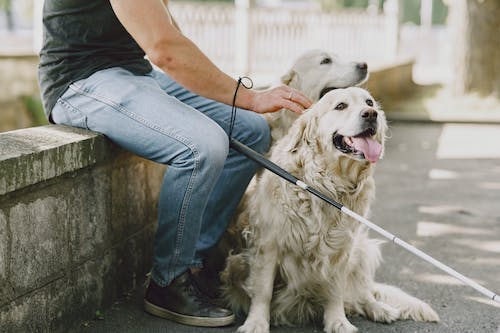
Service dogs are well-trained professional dogs that help to those who need them. Each service dog has a specific set of skills that require training and testing to master. Service dogs perform impressive tasks such as leading the blind, assisting with day-to-day tasks, and providing comfort and companionship. Actual service dogs are backed and protected by the Americans with Disabilities Act.

Some of the most common services provided by service dogs include:

• Guide Dogs
• Autism Service Dogs
• PTSD Service Dogs
• Hearing Dogs
• Medical Alert Dogs
• Diabetic Alert Dogs
• Seizure Response Dogs
• Allergy Detection Dogs
• Mobility Assistance Dogs
• Medical Alert Dogs

There are other types of service dogs, and if you have a condition that is not listed above, you may still be able to apply for a service dog.

Common Breeds of Service Dogs

Although service dogs come in all shapes, sizes, and breeds, the following list of dog breeds tends to be the most common. These breeds generally have very caring and outgoing demeanors with outstanding personalities. They also tend to train with ease and enjoy companionship. Most service dogs show little to no signs of aggression and have very warm and approachable demeanors.

Labrador Retriever – A very smart and personable breed of dog that has a loving and outgoing personality.


German Shepherd – A loyal and alert dog who enjoys the company of his family. This breed loves outdoor activity time.


Golden Retriever – A loving and gentle breed of dog who is exceptional in all family shapes and sizes. This breed also does well with other pets in the home.


Poodle – This breed is considered the most intelligent breed of dog in existence. They train with ease and enjoy and thrive off of human interaction.


Bernese Mountain Dog – An alert and active dog that is known to quickly bond with his family. They train with ease and are eager to please.


Great Dane – A large and loving dog that is known for its loyalty and caring personality. They tend to make great service dogs, especially for those who suffer from PTSD and anxiety.


Saint Bernard – By nature, this breed is a service dog. They have a long history of helping mankind and generally have very protective and loyal personalities.


Pomeranian – Small and lovable. This breed of dog does well in smaller homes. This breed is patient and caring and very loyal to its family. They specialize in a variety of service dog tasks.


Boxer – This breed is alert and loyal and enjoys assisting his human counterpart. They are smart and agile dogs with great personalities.


Border Collie – A very loving and caring dog that tends to stick by your side. This breed is also smart, which makes training easy. They are eager to please and tend to be happy when you are. They also tend to do well in households that have children.

Is it Mandatory to Register Service Dogs?

No. Registering a service dog is not required in the United States under law, but it is suggested. Doing so it will help to eliminate any confusion or restrictions you may run into in the future. Unfortunately, there has been a rise in fake service dogs, which is why it is essential to make sure you and your dog are adequately protected. Properly being registered will make things easier. Many private businesses have rules against non-service animals entering their establishment, which is a primary reason to have your service dog registered.

Where Can You Register a Service Dog?

There are a few organizations that offer service dog registration. These organizations will require that you describe your disability and or need, what tasks your dog is capable of offering, and the specific training your dog completed. These options include websites such as Service Dog Certification, United States Dog Registry, and USA Service Dog Registration.

Service dogs have made a positive impact over the years and have validated the expression “man’s best friend.” Through proper training and care, the services that these amazing dogs are able to provide continue to get better and better. Doing the appropriate research before getting a service dog will help you find the best breed for your specific needs.

Top Dog Training Collars

Training your dog is essential for many reasons and is something that all dog owners need to focus on, beginning when their dog is a puppy. A properly trained dog will be easier to live with and will help keep him and your family safe. Positive reinforcement training techniques tend to yield the best long-term results, and one of the tools many dog owners rely on is training collars. Training collars can assist in getting your dog comfortable with the feeling of wearing a collar and help gently correct habits and/or improper behavior. The question many dog owners ask is, what type of collar will my dog do best with?

What Types of Collars Are There?

Standard Dog Collar: A standard dog collar, also known as a buckle collar, is one of the most common types of training collars used. These collars are used on dogs of all shapes and sizes and are easy to put on and adjust. Although they are not as corrective as other dog collars, they are easily deployed and will prevent your dog from feeling choked while they are using them to walk with you.

Choke Collar: A choke collar is a very common training collar used to catch your dog’s attention when they are initially learning how to walk on a leash. This type of collar is designed to tighten when your dog pulls on the lead, which will cause a degree of discomfort until they stop pulling. After a few walks with this collar, your pup will learn to walk with you, not away from you.

Martingale Collar: A martingale collar is considered a choke collar; however, much more of a gentle one. These collars are basically a combination of a buckle collar and slip lead, as they have a second loop on the collar that will tighten as a dog pulls. The loop, however, will only allow the collar to tighten slightly, so it will not apply the same pressure on your dog as a routine choke collar or slip lead. The tightness applied to their neck is generally enough to gain their attention and compliance.

Prong Collar: A prong collar is used to control dogs that have a greater physical force and or pull. Generally, this type of collar is used on dogs who continue to pull or run and ignore the effects of a standard or choke collar. A prong collar consists of metal links that face inward on the collar, coming in contact with your dog’s neck. When the dog pulls or runs, pressure is applied by these prongs, which will move close together, creating a pinch around the dog’s neck. The pinch is generally enough to catch your dog’s attention and slow down or stop his excessive pulling. It should be noted that these collars should only be used by those who have experience using them. They are recommended only after other basic collars have proven ineffective.

Shock Collar: A shock collar is a training collar that delivers a light shock or vibration to the dog’s neck when the owner activates it. These collars come with a small wireless remote control that the owner holds, allowing them to send a signal to the collar when the dog is acting inappropriately. The goal behind this type of collar is to teach your dog that a certain behavior will result in an annoying and or uncomfortable sensation. If you are trying to teach your dog not to run after people, and when he does, he feels this uncomfortable sensation, he will correlate the behavior to it. In time the dog will typically stop the undesired behavior without even receiving the sensation.

Dog Collar

A Collar Is Just a Tool

Dog owners need to remember that a training collar is just a tool they have in helping to train their dogs. Proper dog training takes time and effort. In many instances, we are trying to teach our dogs certain things that are against their own instincts. Dogs naturally like to chase things and run free. Although collars, when utilized correctly, will help to train a dog, consistent positive reinforcement is very important. Some dog breeds tend to train more quickly than others and will require less strenuous training. Being patient, caring, and remembering that this takes time will help make the training process easier for you and your dog.

Your Dog’s Amazing Nose

No matter what breed of dog you have, there is one common quality they all share. Their incredible sense of smell! Their ability to pick up on even the faintest scents has allowed for their survival for hundreds if not thousands of years. It has also allowed them to be utilized to assist humankind in tracking and retrieving game, locating missing people, detecting diseases in people, and finding illegal substances, such as narcotics.

How Sensitive Is Their Nose?

Animal care specialists and dog owner, Jen Eleao, explained that a dog’s sense of smell is somewhere between 25,000 to 100,000 times more acute than ours. This is due to our fur-legged friends having up to 100 million sensory receptor sites in their nasal cavity compared to six million receptors in people. The area of the canine brain devoted to analyzing scents is about forty times larger than the equal part of the human brain. “Our dogs are full-blown scent detection machines,” Eleao explains, “which is why they are capable of tracking even the faintest scent for miles.”

How Their Scent Detection Works.

Unlike humans who inhale and exhale at different times, a sniffing dog’s nose is designed to allow air to travel in and out at the same time, creating a continuous circulation of air. By keeping a continuous flow of air entering their nose, they are capable of maintaining a steady track of what they are looking for. A dog’s nasal cavity is divided into two separate chambers and opens into two nostrils that move independently, and that can take in smells separately. As a dog sniffs a scent, particles and compounds are trapped in the nasal cavity while the dog’s scent receptors process them. Part of the inhaled air goes to olfactory analysis, and some of it goes to the lungs to breathe. As a dog exhales, fresh air enters the nose through the slits in their nose, which maintains a steady stream of air and odors flowing.

Best Scent Tracking Breeds

Although all dog breeds are scent specialists, some are better than others. As an example, Eleao explained, although any dog can track the scent of common foods, such as poultry, hound breed dogs have the overall best sense of smell and are able to track just about anything that gives off a scent. Hound dogs rely on their ears almost as much as they rely on their noses. As they smell the scent on the ground, their ears are used to move the air in front of their nose and essentially lift the scent. Smaller dogs such as the French Bulldog and Pug that have short faces may have compromised airways that could affect their overall sense of smell.

Frequently Asked Questions

Question: How Far Can A Dog Smell Something That Is Traveling Through The Air?

Answer: Generally, most dogs are able to detect scents in the air that originated several miles away. One study showed that some dogs could smell something (with the right airflow) more than ten miles away. A dog smelling something several miles away is comparable to a person smelling a juicy hamburger or chicken cutlet being grilled one block away.

Question: What Does It Mean When People Say Dog Smells In 3D?

Answer: The same way a human uses two eyes to obtain two different views on what they are looking at, which allows our brain to form a 3D image, dogs use both nostrils to create a 3D view of a scent. This allows a dog to determine precisely where objects are located that are giving off a scent.

Question: Are Dogs Used In The Medical Field To Detect Diseases?

Answer: Numerous studies have shown that trained dogs are able to detect a variety of diseases, including lung, breast, ovarian, bladder, and prostate cancers within the human body. There are current studies taking place to determine if dogs are also capable of detecting Covid-19.

Why Are Dogs’ Noses Wet?

A dog’s nose contains special glands that secrete a layer of mucus in the inner lining of it. The wet lining creates particles in the air to stick to it, which allows the dog to not lose track of the scent.

How To Stop Your Fur-Legged Friend from Barking at Strangers

We love our dogs a lot as they provide us with a lot of joy, but excessive barking can be very difficult to handle, especially on a daily basis. Many dogs will naturally begin to bark when they see someone they do not recognize. Although this is a good thing in some instances, in most, it is unnecessary and annoying. The repeated sound of a barking dog will also eventually annoy neighbors and could land you in hot water with your local authorities. So how do you teach your dog not to bark at strangers?

Why do dogs bark at people they do not know?

First, let’s look at why dogs bark at people in general. The most common reasons are:

General excitement bark: Simply said, dogs are excited to see and interact with new people! Most dogs are very social creatures, and when approached by someone new, they are eager to meet and interact with them. To determine if the barking is excited-based, look at their tail. A highly energetic and wagging tail typically means a happy and excited dog.

Territorial bark: Many dogs are territorial of their home, property, and family. Some dogs view a stranger as someone who is not authorized to be at their home and or as a potential threat to the family living there. The territorial bark is used to warn the stranger to stay away. It is also used to alert the dog’s family that a possible intruder is approaching for safety.

Lack of socialization bark: Dogs that have not been raised in social environments tend not to know what to do when a new face is observed. Barking is a natural reaction in dogs, and this behavior may take place by default. Allow your dog to socialize with other people and pets, which will help him to better accept new people. Fear bark: Your dog may have just been alarmed! Even dogs that are properly socialized and who are not overly territorial can be alarmed and begin to bark. Dogs are designed, for the most part, to be alert and to guard. This can happen to even the most laidback pup, who will bark when scared.

How To Stop The Unwanted Behavior

Do not overreact to their barking. Dogs that bark for attention know their barking is effective when they get a reaction from their human family. Like a child who acts a certain way when he or she needs attention, dogs do too. Limiting your reaction will allow your pup to see that his barking will not result in any attention.

Walk Away

When you walk away from a dog, he recognizes there is no reward. When he barks at someone and you walk away, he may begin to associate the excessive barking with something he should not do. Paying too much attention to the negative behavior may end up making it worse.

Distracting Them

On the flip side, some dogs need a distraction in order to take away their focus on what is causing them to bark. If your dog begins to bark, simply distract them with noise. This can be accomplished by shaking your keys, slapping your hands, whistling, or using one of his favorite squeaky toys. If this is effective, he should be rewarded, which will associate positive behavior with a reward.

Need To Remember You should not forget that your dog is a dog. Dogs do bark and do get excited for various reasons. It is in their DNA! Being patient with your dog is needed in all instances. Although excessive barking can be a nuisance, keeping cool and not overreacting is a great first step in managing it. Your dog can tell when you are stressed, so a calm and patient demeanor with him is what will yield the best results.

Call Now Button