
Up To $1,500 OFF Select Puppies Up To $1,500 OFF Select Puppies Up To $1,500 OFF Select Puppies

How To Trim Your Dog’s Nails

An important aspect of dog grooming is trimming your dog’s nails. While a routine trip to the groomer also comprises nail trims, sometimes Saul’s nails may be overgrown and you may have to do it yourself. This is how to make this happen step by step:

  • The first step is to gather your supplies
  • Up next, gently pick up the foot
  • Isolate the nail that you want to cut
  • Select the precise place you want to cut
  • Do the cutting at a 45-degree angle
  • Chip it off in bits
  • Remember the dewclaws
  • Nail grinding (use as a finishing tool)
  • Reward your pet

It is important to note that a dog’s nail comprises the outer material known as the shell, which is hard and the living pink quick. The quick runs through the core of the nail and supplies blood. To ensure your dog’s wellbeing and guarantee easy maintenance, short quicks are the recommended length.

Similarly, if you are cutting your puppy’s nails for the first time, you would have to go very slow, starting with picking up the paw, isolating the nail, getting your pup familiar with the trimmer (especially if there is any vibration involved), cutting only a tiny chip initially. All of these would have to be done over a period of time to aid easy adjustment.

If your dog feels uncomfortable, it is best to retreat or you might have to eventually use a muzzle. In the way of products, there is a range of nail trimmers comprising scissors as well as grinder tools specially designed for dogs. The main thing is to use what works best for your pet. Also, styptic powder should be kept close in case of bleeding.

Conclusion

Trimming your dog’s nails can be quite the task, so remember to be patient and reward Saul with treats too.

Small, Medium, or Large Breed Dog?

The resolution to have a dog should come after a phase of thorough decision making, careful planning, and the assurance that you have the necessary means to make your pet comfortable and happy.

One major thing to decide upon before finally going to the pet store is the size of the dog that you want. Size is important because it determines a lot of things, such as how much food your dog will consume, how easy it would be to transport them from place to place, and how much space they will need.

Here are a number of factors to put into consideration when determining what breed of dog to get with respect to size:

Family

The size of your family, as well as the age range of the members of your family, go a long way in determining what kind of dog to get. For example, if you have little kids, you should get small dogs, such as a Dachshund or a Papillon. If you have teenagers, you might want to consider getting a much larger dog, such as a Boxer.

Indoor and Outdoor Space

You should consider the amount of space you have within and without your house while getting a dog. Smaller dogs can live comfortably within apartments with little outdoor space, however, bigger houses might be better for bigger dogs as they need lots of space.

Lifestyle

What exactly do you want from your dog? Do you need a cuddle buddy -Chihuahua or Pug- or perhaps, a security dog -Bullmastiff or Rottweiler? Your pet needs should influence the size of the dog you get.

Maintenance Costs

This is probably the most important factor to consider. Expenses on food and treats, leash and harness, crate, and medicals are more expensive for larger dogs than they are for smaller dogs. If your monthly income is not exactly huge, you might want to get a smaller dog to avoid getting overwhelmed by costs.

On a final note, you should keep in mind that the size of a dog does not dictate its personality. There are small dogs that are full of energy, and large dogs that are just big couch potatoes. Either way, ensure you opt for a breed size that works just great for you!

Top 5 Small Breed Purebred Dogs of 2021

Most people see small breeds as big dogs in little bodies. Frankly, this is somewhat true for some. But there are other small breeds that enjoy calmer lifestyles.
Small breeds often get a bad reputation because of their personality. Yet, a lot of them make excellent pets for both individuals and families.
Not all small breeds develop the big-dog syndrome, particularly if they’re naturally happy and social dogs. There are a few small breeds that have amazing athleticism and are capable of running circles around big breeds.
If you’re searching for a small cute fur baby, here are 5 top small breeds you can consider:
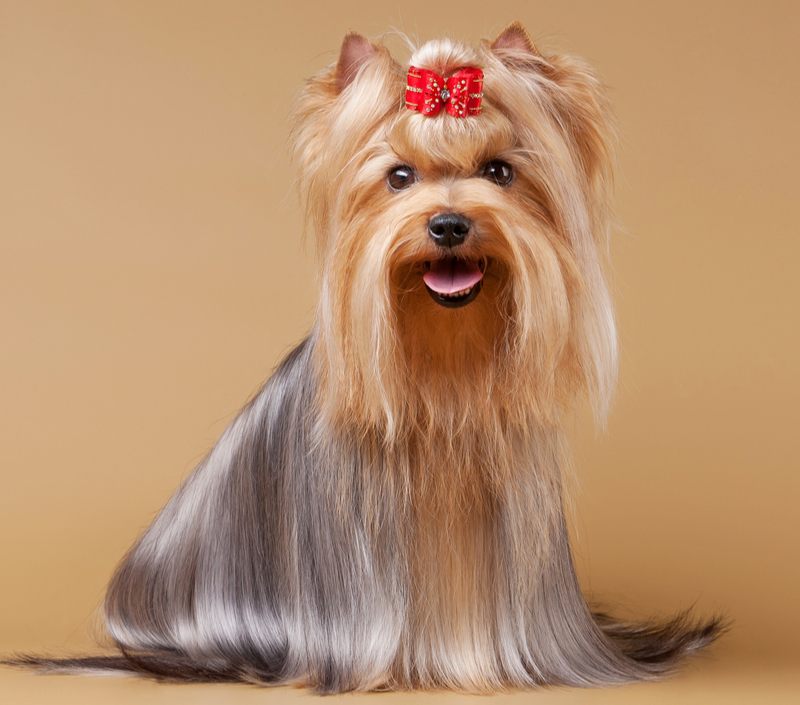
Yorkshire Terrier
Despite having small bodies, Yorkshire Terriers have big personalities they aren’t afraid of showing off. Yorkies are brave and tend to stand up to almost everything they consider a threat and alert the household.
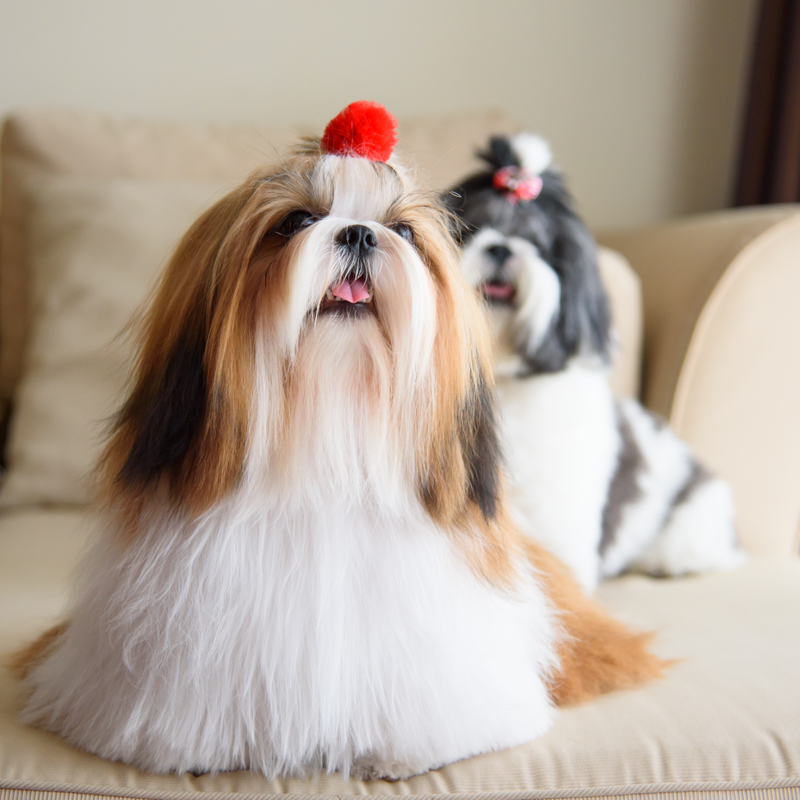
Shih Tzu
Shih-Tzus were originally bred as aristocratic companion dogs for royalty. There’s nothing they love more than being spoiled lapdogs.
They can be pretty stubborn, however, they’re quite easier to train than most other small breeds.
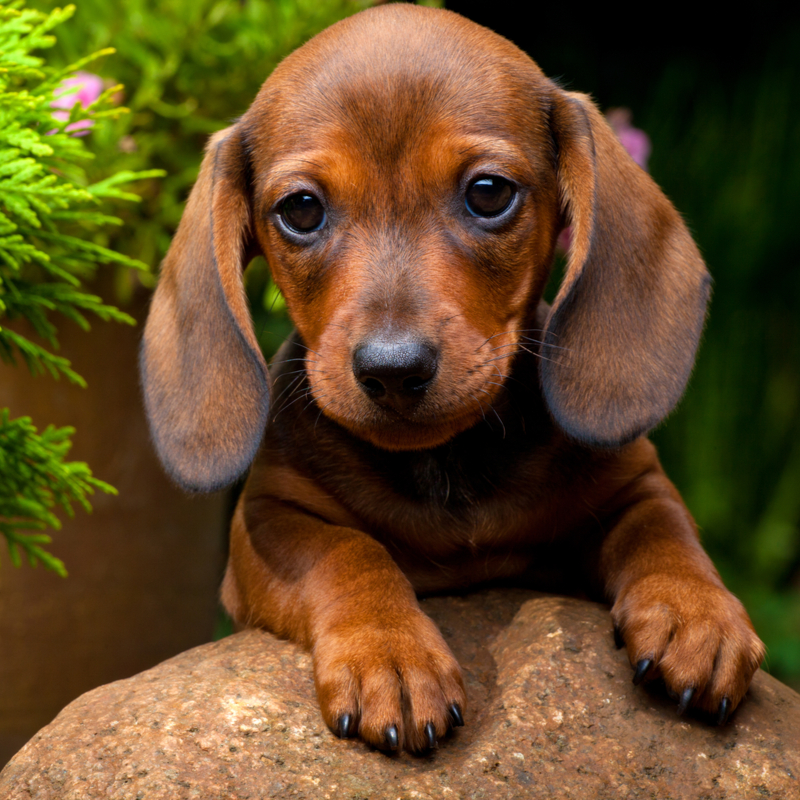
Dachshund
The Dachshund’s stumpy short legs and elongated bodies have earned them the name ‘wiener dogs’. Dachshunds can be very clever and smart dogs. But they’re stubborn and can be difficult to train.
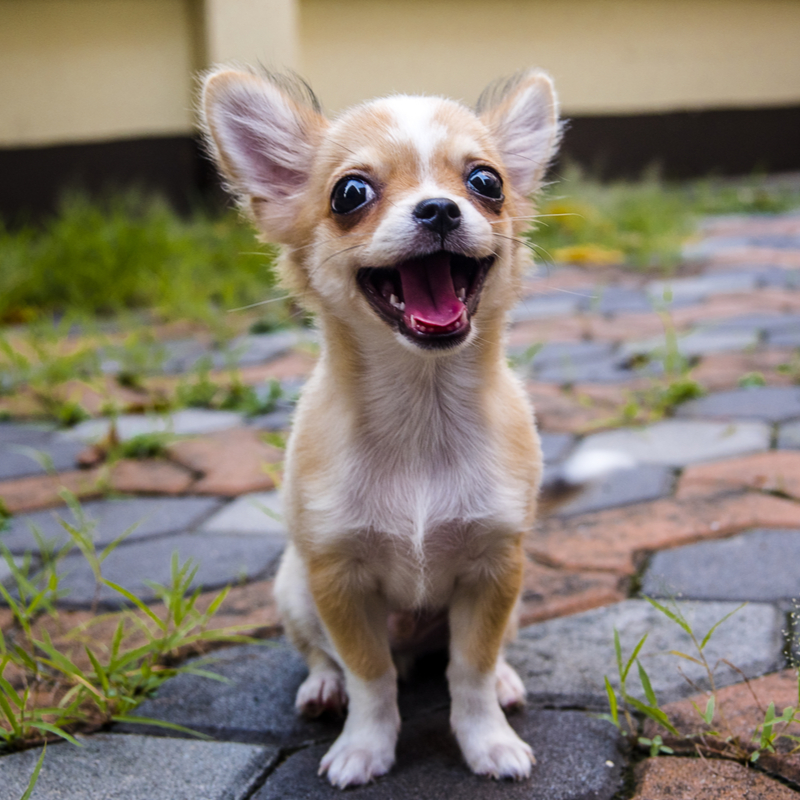
Chihuahua
Chihuahuas are the world’s smallest dog breed. They have become infamous for the fierce loyalty they show their owners. They can be pretty feisty too.
Chihuahuas can be excellent companions and great pets for individuals and families alike, but they have to be socialized frequently and early to prevent territorial aggression.
Pomeranian
There are only a handful of dogs that are more recognizable than Pomeranians. Poms are famous for their spirited personalities and fluffy coats.
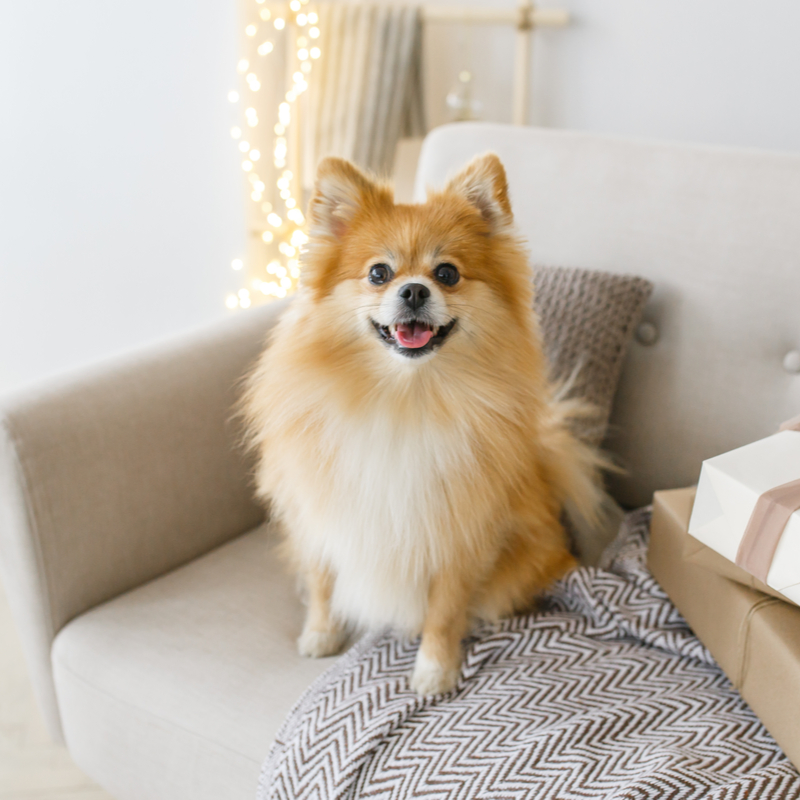
They require lots of training to avoid excessive barking. Other than that, they make excellent companions.

Potty Training in 5 Steps

Potty training is one of the most important first lessons that you have to teach a new pup. Since they haven’t been told otherwise, they wouldn’t see anything wrong with messing the floor up or doing their business anywhere they deem fit. However, you do not want a house-turned-pup toilet on your hand. So, here are some 5 steps to potty train your pup:

  1. Set Up Your Home

The idea behind potty training is teaching your dog that the entire house is their extra-large den simply because they are known for being averse to soiling their own space. For this, you would need to restrict your pup’s movement around the house until he is old enough to roam without incident.

You would be needing a dog crate or a baby gate that would restrict your pup to that particular area. The more time they spend there, the less they would feel inclined to mess the place up, hence, potty training would move swiftly.

  1. Use a Potty Cue

The idea behind a potty cue is so that your pup knows exactly what time it is when you use the word or phrase. It would imply that it’s potty time and at a point, you would be able to get your pup to go potty just by saying it.

The phrase can be anything, just one that doesn’t come up in regular conversation. The idea is to use the word or phrase just as your dog is starting to do its business in the right spot. 2-3 days after, once you think he’s connected the cue to potty, start mentioning it just as he is getting in potty position.

After this, the next step is to give it before he even gets into position. This would register as the word or phrase for ‘time to go’.

  1. Treating

Pup training consists of a great deal of treating for positive reinforcement. When you give your dog a treat for doing something, it implies that it is a desirable one and he starts to connect the action to the treat.

During potty training, if your dog goes to the potty in the right spot, and gets a treat, but never does during accidents, he would start to note that it is the right thing to do.

Since timing is crucial, you might need to add an approving sound like a click or “yes” at the precise time, and then give the treat later. This way, your pup knows that the treat was for that particular action.

  1. Create a Schedule

You shouldn’t be alarmed by the fact that you might have to take a puppy to potty up to 10-15 times daily. As a rule of thumb, the bladder develops to hold urine longer every month in pups, so, a month-old pup would be able to hold his bladder for an hour while a 5-month old pup would hold his bladder for up to 5 hours.

Therefore, it is essential to create a schedule that your pup would start to associate with potty time. For instance, you can make it: First thing in the morning, right after each meal, when your pup gets up from napping, at regular intervals during the day and evening, and right before you go to sleep.

  1. Allow for Playtime

After your pup has eliminated in the right spot, you can allow him to play around for some minutes without fear that he would soil the place. After this, you can then have him go back to the restricted area. Playtime should be based on the rate of development of your pup’s bladder.

Call Now Button