Book Puppy Playtime Today! Book Puppy Playtime Today! Book Puppy Playtime Today!

World Record Dog Holders

We all know that our pups are amazing four-legged creatures that have a mind and unique personality. Our pups always tend to intrigue us and generally keep us on our toes. Although all dogs are very special, there are some that have accomplished truly amazing things and have found themselves in the world record book. We have compiled a fascinating list of amazing dog accomplishments that are considered to be world records.

Largest litter of puppies

– Actual record: 24 puppies in one litter
– Record holder: Tia the dog
– Date of record: Nov. 29, 2004
– Location: United Kingdom

In 2004, a Neapolitan mastiff named Tia gave birth to an amazing 24 puppies on the same day. The litter consisted of nine females and fifteen males. All 24 puppies were born by Cesarean section.

Longest dog ears

– Actual record: 13.7 inches
– Record holder: Tigger the dog
– Date of record: Sept. 29, 2004
– Location: United States

Tigger the bloodhound snagged the record for the longest ears on a dog on Sept. 29, 2004. Tiger’s right and left ears measured am impressive 13.75 inches and 13.5 inches. In case you didn’t “hear” that correctly, the measure 13.75 inches! In 2003, Tigger was inducted into the Bloodhound “‘Hall of Fame.”

Longest dog tail

– Actual record: 30.2 inches
– Record holder: Keon the dog
– Date of record: Aug. 18, 2015
– Location: Belgium

An Irish wolfhound named Keon hold the record for having the longest tail. In August of 2015, Keon’s tail measured in at an impressive 30.2 inches long, which is about two and a half feet long!

Longest dog tongue

– Actual record: 7.3 inches
– Record holder: Mochi the dog
– Date of record: April 25, 2016
– Location: United States

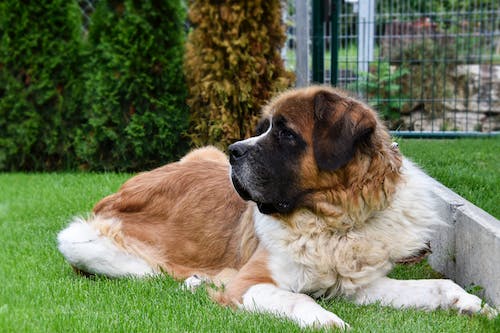
A Saint Bernard named Mochi must have never had an issue giving licks to her owner with a tongue that measured in at more than seven inches long. This female Saint Bernard was rescued by her loving family who resided in the United States and hold the world record for the longest tongue on a dog.

Most balls caught by a dog with the paws in sixty seconds

– Actual record: 14 balls
– Record holder: Purin the dog
– Date of record: March 22, 2015
– Location: Japan

Play ball! Purin, a nine-year-old Beagle female, holds the record for catching most balls on her paws in one minute. This pup sits in the record books after successfully catching fourteen balls, which is an average of one catch every four seconds. This pup resides in Japan and may be looking for a major league contract!

Shortest standing dog

– Actual record: 3.8 inches tall
– Record holder: Milly
– Date of record: Feb. 21, 2013
– Location: Puerto Rico

The shortest living pup ever recorded was Milly the dog, who measured in at just 3.8 inches tall. This tiny Chihuahua was from Puerto Rico and weighed less than one ounce when she was born. It would have taken more than sixteen Milly baby puppies to even weigh a single pound.

Tallest standing dog

– Actual record: 3.7 feet
– Record holder: Zeus the dog
– Date of record: Oct. 4, 2011
– Location: United States

The tallest dog to have ever lived was a Great Dane named Zeus who stretched out to an incredible 7 feet four inches. Although Great Danes are big pups, this one was extra big! This pup was from Michigan, US and was also a certified therapy dog. This gentle giant was known for his loving and gentle disposition.

Six Amazing Breeds of Dogs That Are Not Talked About Enough

There are hundreds of dog breeds in existence, all with different qualities and traits. Realistically, despite similarities, there are no two identical dogs. Each dog has its own personality and mind which means each breed of dog brings something unique to the table. In this blog we are going to “dig” into a few breeds that make great family pets despite not being talked about that often.

Puli

The Puli is a very old Hungarian dog breed that dates all the way back to the Middle Ages. Many believe that this breed is a direct ancestor of the Poodle. Around World War II this breed was nearly extinct but was revived by hobbyists. The Puli makes a great family pet and has many desirable qualities. It should be noted that their coats are high -maintenance and do require work to keep looking their best.

Schipperke

The Schipperke has a similar appearance to the Sheepdog and was originally bred to work on barges in Belgium canals in the 1800’s. This is a working breed of dog that has high energy levels and likes to be on the move. This breed of dog has transitioned into a very well-liked family dog who has a loving and caring personality. The Schipperke makes a great fit for families that want the heart of a big dog but in a smaller package.

Basenji

The Basenji is considered to be one of the most primitive and oldest breeds of dog in existence. This dog has been traced back to pyramids in Egypt. A great trait of this breed is that they are not known to overly bark, however, can be heard yodeling at times. One of the most unusual facts about this breed is that, like wolves and another primitive dog called a dingo, female Basenjis only come into heat once a year, unlike all other domestic breeds that come into heat two times a year. The Basenji is a loving and social dog that makes a great family pet.

Brussels Griffon

Also known as the bearded dog, the Brussels Griffon is known for its long hair around its snout and for its large expressive eyes. This is a playful and active breed of dog that has a very outgoing personality. They are also considered to be hypoallergenic which is great for those of us who suffer from allergies. This breed also does well in families that have children thanks to their warm demeanors.

Chinese Crested

Many experts believe the Chinese Crested is essentially a smaller version of the African hairless dog. Chinese merchants acquired African hairless dogs on their trips to the continent and bred them to be smaller, producing the Chinese Crested. They originally were known for their abilities to hunt rats on ships but have evolved into a great family pet. This breed has a double coatthat tends to be soft, silky and straight, although some may have curly hair. Both the Hairless and Powderpuff shed very little, and generally makes a great pet for people with allergies.

Bedlington Terrier

The Bedlington Terrier, also known as the Bedlington, is a playful and active dog breed that is known for its loyalty. They are also very friendly dogs who quickly warm up to visitors and new people. This breed emerged in the parish of Bedlington in Northumberland, England in the early 19th century. They were originally called the Rothbury Terrier, after the namesake district on the English coast. The Bedlington Terrier is also considered to be hypoallergenic, which is a big plus for those who suffer from allergies.

All of these unique dogs have a lot to offer. They make great family pets and despite being different in many ways they all share on quality. They will all win your heart in no time at all!

Jealousy In Dogs 

Many dog owners have seen their dogs’ showing signs of jealousy. Professional dog trainers actually use jealousy as a training tool by removing unresponsive dogs during training and allow dogs to watch their handlers working with another dog. A lot of dog owners observe their dog’s display of jealousy when their owners interact with other dogs, family members or friends.

A Dog’s Jealous Behaviors May Include:

  • Biting / Snapping
  • Barking
  • Growling
  • Whining
  • Getting between his owner and other objects
  • Behavior towards an object or thing you’re interacting with
  • Pushing extra attention from you‌

Behaviors that Really Need to Be Watched Include:

  • Aggression. Any kind of biting to gain the attention over a person, pet or object is a bad sign.
  • Accidents inside. Since our dog can’t talk to us, they express themselves through their physical actions. They know going to the potty inside is wrong, yet it will get your attention.
  • Aggressive growling or howling.

Signs of Possessive Behavior

Your dog may be showing possessive behavior if they do the following:

  • Growling
  • Snapping
  • Excessive whining
  • Attacking another pet or person

Understanding a Protective Dog

If your dog is overly protective, it may be because that’s their natural instinct. This reaction may seem aggressive if your dog perceives you are in danger. Sometimes protective instincts can get confused with jealous or possessive behavior. ‌

Your Dog is Protective if They Do the Following:

  • Focuses on another animal, person, or situation
  • Give their full attention to the scenario
  • Calms down and backs down after no threat is found‌

The key difference between a protective dog and a possessive dog is the relaxing and backing down part of the equation. A possessive or jealous dog doesn’t typically back down, and his behavior remains consistent.

Changing Problematic Behavior

Be patient. First, you’ll need to use positive reinforcement and reward your dog when they act the way you want them to. If your dog comes in between you and another person, try ignoring them. If your dog keeps getting in the way, get up and move to another space. The ignoring and or not reacting to what they are doing will help your dog know their behavior is not working to get your attention.

The Three Main Tips

  • Don’t verbally communicate with to them when they do this
  • Don’t touch them or push them away
  • Don’t make eye contact with them

Your Dog is Doing This to Get Your Attention.

By not showing them attention while they do this may deter them from continuing the behavior.‌To stop your dog’s jealous behavior early in life, consider trying the following ideas:

  1. Avoid showing too much attention to one pet over another.
  2. Train your dog to feel safe, secure, and relaxed in their crate.
  3. Make a separate feeding area for multiple animals. This way they are not competing for food.
  4. Reward your dog when they’re exhibiting good behavior.

We need to remember; our pups are living creates that have real emotions and feelings. Your pup loves you and wants your attention, similar to a child. It is important to always remain patient with your dog and train him using positive reinforcement. It is also crucial to begin training at a young age as puppies are more prone to learning while their brain is developing. Although older dogs are able to be trained, the process may take longer and be more challenging.

Homemade Dog Treats Your Pup Is Going to Love!

Homemade dog treats come with a variety of benefits. For one, you know the ingredients in them. They are also less expensive than commercially produced dog treats. They are also something fun to make! Before feeding your pup anything that he normally does not eat, it is always recommended that you check with your veterinarian first. It’s always better to be safe than sorry. Below is a list of our favorite homemade dog treats that we think your pup will enjoy!

Baked Chicken Treats

For a quick and easy treat, consider this homemade baked chicken dog treats from Eileen Anderson. Using a basic pyramid pan, this recipe can make about 500 small treats that your dog will drool over. After being baked, you can refrigerate or freeze the treats.

Treat Ingredients:

  • 1 10-ounce can of chicken, including liquid
  • 2 eggs
  • 1 cup tapioca flour
  • ½ cup of white flour
  • 1 tablespoon of coconut oil

Baking Directions:

  1. Preheat oven to 350ºF.
  2. Blend chicken and eggs in a food processor.
  3. Pour the mixture into a bowl, and stir in flour and oil. This batter should be a little thicker than pancake batter but still pourable.
  4. Spread the batter onto the silicone mold on a cookie sheet, making sure it’s in the holes, and then scrape it off the dividers.
  5. Bake for 12 minutes.
  6. Once cooled, turn over the mold and dump the treats out.
  7. You can bag up the treats and refrigerate or freeze them.

Homemade Bacon Pyramid Pan Treats

Is your fur-legged friend a fan of bacon? If so, this simple recipe by Michelle Taylor will be a hit. With four basic ingredients, this is a great homemade treat for beginners.

Treat Ingredients:

  • ½ package of bacon
  • 2 eggs
  • 150 grams of gluten-free flour
  • Water to thin

Baking Directions:

  1. Preheat oven to 350ºF.
  2. Blend the bacon and eggs.
  3. Add flour. Stir in water if the batter needs to thin.
  4. Smooth the batter over the baking mat and bake for eight minutes.
  5. Once cooled, cut the treats into bite-sized pieces.
Peanut Butter Dog Treats

Peanut Butter Dog Treats

Almost all dogs love the creamy and sweet taste of peanut butter. If your dog is a fan of it, give these treats by Eileen Anderson a whirl!

Treat Ingredients:

  • 2 eggs, beaten
  • 2 tablespoons canola oil
  • ½ cup peanut butter powder
  • ½ cup white flour
  • ½ cup tapioca flour
  • ½ cup water

Baking Directions:

  1. Preheat oven to 350ºF.
  2. Mix the ingredients until smooth.
  3. Pour the mixture into the pan.
  4. Bake for 12 minutes or until the treats are soft but still drawing away from the side of the pan.
  5. Once cooled, stretch the pan and dump the treats out.

Cheese and Sardine Pyramid Pan Dog Treats

Looking for a protein-packed treat for your pup? If so, this cheese and sardine dog treat is the answer.

Treat Ingredients:

• 1 can of sardines

• 2 eggs

• 150 grams of grated Parmesan cheese

• A handful of roasted vegetables

• 75 grams of tapioca flour (or plain flour)

• Water

Baking Directions:

1. Preheat oven to 320ºF.

2. Blend all the ingredients in a blender to make a thick batter. Add water as needed to make it thicker.

3. Smooth the mixture over the baking mat and bake for about 15 minutes or until crispy.

4. Once cooled, cut into small pieces.

Cheddar-Apple Dog Biscuits

This classic one is from Martha Stewart and is a combination of cheddar and apple.

Treat Ingredients:

  • 2 cups barley flour
  • ½ cup old-fashioned oatmeal
  • 1/3 cup shredded cheddar cheese
  • 1/4 cup grated Parmesan cheese
  • 1/3 cup unsweetened applesauce
  • 2 tablespoons olive oil

Baking Directions:

  1. Preheat oven to 350ºF. Line a baking sheet with a nonstick baking mat or parchment paper. Set aside.
  2. In a large bowl, mix together all ingredients and about 3 tablespoons of water to form a dough. Roll out the mixture between two sheets of plastic wrap to ¼-inch thick. Remove plastic wrap and cut out biscuits with a 3 ½-inch bone-shaped cookie cutter. Re-roll scraps and continue cutting out biscuits.
  3. Space biscuits 1 inch apart on a prepared baking sheet. Bake for 30 minutes until nicely browned and firm.
  4. Transfer biscuits to a wire rack. Turn off the oven and place the biscuits on a wire rack in the oven overnight. Remove from the oven and store in an airtight container for up to two weeks.

We think your pup will love these tricks, which are all healthy sources of nutrition. As mentioned earlier, always check with your veterinarian before feeding your dog anything new.

Homemade Dog Treats Your Pup Is Going to Love!

Homemade dog treats come with a variety of benefits. For one, you know the ingredients in them. They are also less expensive than commercially produced dog treats. They are also something fun to make! Before feeding your pup anything that he normally does not eat, it is always recommended that you check with your veterinarian first. It’s always better to be safe than sorry. Below is a list of our favorite homemade dog treats that we think your pup will enjoy!

Baked Chicken Treats

For a quick and easy treat, consider this homemade baked chicken dog treats from Eileen Anderson. Using a basic pyramid pan, this recipe can make about 500 small treats that your dog will drool over. After being baked, you can refrigerate or freeze the treats.

Treat Ingredients:

  • 1 10-ounce can of chicken, including liquid
  • 2 eggs
  • 1 cup tapioca flour
  • ½ cup of white flour
  • 1 tablespoon of coconut oil

Baking Directions:

  1. Preheat oven to 350ºF.
  2. Blend chicken and eggs in a food processor.
  3. Pour the mixture into a bowl, and stir in flour and oil. This batter should be a little thicker than pancake batter but still pourable.
  4. Spread the batter onto the silicone mold on a cookie sheet, making sure it’s in the holes, and then scrape it off the dividers.
  5. Bake for 12 minutes.
  6. Once cooled, turn over the mold and dump the treats out.
  7. You can bag up the treats and refrigerate or freeze them.

Homemade Bacon Pyramid Pan Treats

Is your fur-legged friend a fan of bacon? If so, this simple recipe by Michelle Taylor will be a hit. With four basic ingredients, this is a great homemade treat for beginners.

Treat Ingredients:

  • ½ package of bacon
  • 2 eggs
  • 150 grams of gluten-free flour
  • Water to thin

Baking Directions:

  1. Preheat oven to 350ºF.
  2. Blend the bacon and eggs.
  3. Add flour. Stir in water if the batter needs to thin.
  4. Smooth the batter over the baking mat and bake for eight minutes.
  5. Once cooled, cut the treats into bite-sized pieces.
Peanut Butter Dog Treats

Peanut Butter Dog Treats

Almost all dogs love the creamy and sweet taste of peanut butter. If your dog is a fan of it, give these treats by Eileen Anderson a whirl!

Treat Ingredients:

  • 2 eggs, beaten
  • 2 tablespoons canola oil
  • ½ cup peanut butter powder
  • ½ cup white flour
  • ½ cup tapioca flour
  • ½ cup water

Baking Directions:

  1. Preheat oven to 350ºF.
  2. Mix the ingredients until smooth.
  3. Pour the mixture into the pan.
  4. Bake for 12 minutes or until the treats are soft but still drawing away from the side of the pan.
  5. Once cooled, stretch the pan and dump the treats out.

Cheese and Sardine Pyramid Pan Dog Treats

Looking for a protein-packed treat for your pup? If so, this cheese and sardine dog treat is the answer.

Treat Ingredients:

• 1 can of sardines

• 2 eggs

• 150 grams of grated Parmesan cheese

• A handful of roasted vegetables

• 75 grams of tapioca flour (or plain flour)

• Water

Baking Directions:

1. Preheat oven to 320ºF.

2. Blend all the ingredients in a blender to make a thick batter. Add water as needed to make it thicker.

3. Smooth the mixture over the baking mat and bake for about 15 minutes or until crispy.

4. Once cooled, cut into small pieces.

Cheddar-Apple Dog Biscuits

This classic one is from Martha Stewart and is a combination of cheddar and apple.

Treat Ingredients:

  • 2 cups barley flour
  • ½ cup old-fashioned oatmeal
  • 1/3 cup shredded cheddar cheese
  • 1/4 cup grated Parmesan cheese
  • 1/3 cup unsweetened applesauce
  • 2 tablespoons olive oil

Baking Directions:

  1. Preheat oven to 350ºF. Line a baking sheet with a nonstick baking mat or parchment paper. Set aside.
  2. In a large bowl, mix together all ingredients and about 3 tablespoons of water to form a dough. Roll out the mixture between two sheets of plastic wrap to ¼-inch thick. Remove plastic wrap and cut out biscuits with a 3 ½-inch bone-shaped cookie cutter. Re-roll scraps and continue cutting out biscuits.
  3. Space biscuits 1 inch apart on a prepared baking sheet. Bake for 30 minutes until nicely browned and firm.
  4. Transfer biscuits to a wire rack. Turn off the oven and place the biscuits on a wire rack in the oven overnight. Remove from the oven and store in an airtight container for up to two weeks.

We think your pup will love these tricks, which are all healthy sources of nutrition. As mentioned earlier, always check with your veterinarian before feeding your dog anything new.

No More Leaps: Master the Art of Preventing Your Puppy from Jumping on Guests

When you have a new puppy, it’s both an exciting and challenging time. One of the most common issues faced by dog owners is puppies jumping on guests. Not only can it be embarrassing, but it can also be dangerous – especially for children or elderly visitors. Don’t worry! This comprehensive guide will teach you how to stop your puppy from jumping on guests and help you raise a well-mannered furry companion.

Understanding the Root Cause: Why Puppies Jump on Guests

Before diving into the strategies to manage this behavior, it’s crucial to comprehend why puppies jump on people. By identifying the cause, you’ll be better equipped to address the issue effectively.

Greeting Behavior

One of the primary reasons puppies jump on guests is their innate desire to greet people enthusiastically. In a dog’s world, face-to-face interaction is the norm, and puppies naturally attempt to reach a person’s face to say hello. This is an innocent gesture on their part but can be troublesome if not addressed early on.

Seeking Attention

Puppies crave attention and affection, and jumping is often their way of getting it. So when people react to their jumping, even if it’s a negative reaction, the puppy interprets it as receiving the desired attention. This reinforces the behavior and makes it more likely to continue.

Overexcitement

Puppies can become overly excited in various situations, such as when guests arrive or during playtime. Unfortunately, this excitement can manifest as jumping on people, as they don’t yet know how to manage their energy levels appropriately.

Lack of Proper Socialization

Proper socialization is essential for puppies to learn how to interact with humans and other animals. A lack of socialization can lead to poor communication skills, including excessive jumping on guests. By exposing your puppy to different people, environments, and experiences, you can help them develop appropriate social behaviors.

Tips for Dog Owners to Train Your Puppy Not to Jump on Guests

Teach Your Puppy the ‘Sit’ Command

Training your puppy to sit is the first step towards controlling their jumping behavior. When your puppy understands the ‘sit’ command, it becomes easier to redirect their energy from jumping on guests to sitting calmly.

Be Consistent with Your Commands

Consistency is key when training your puppy. Ensure you use the same command for sitting and discourage jumping each time. This will help your puppy understand what you expect from them.

Use Positive Reinforcement

Reward your puppy with praise, treats, or a favorite toy when they follow your command and sit instead of jumping. This will encourage them to repeat the desired behavior.

Ignore Jumping Behavior

When your puppy jumps on you, ignore the behavior by turning away and avoiding eye contact. Once your puppy stops jumping and sits calmly, reward them with attention and praise.

Manage the Environment

Create a controlled environment for your puppy when guests arrive. For example, you can use baby gates, playpens, or leashes to prevent your puppy from rushing and jumping on guests.

Tips for Guests

Enter Calmly

Guests should enter the house calmly and quietly to avoid exciting the puppy. Overly excited greetings can encourage the puppy to jump.

Avoid Eye Contact

Guests should avoid eye contact with the puppy when they first enter, as this can be perceived as an invitation to jump.

Follow the Owner’s Instructions

The dog owner knows their puppy best, so guests must follow the owner’s instructions to prevent the puppy from jumping.

Wait for Calm Behavior

Guests should wait for the puppy to calm down and sit before giving any attention or affection.

Final Thoughts

Training your puppy to stop jumping on guests may seem daunting, but with dedication, patience, and consistency, you’ll transform your energetic furball into a well-mannered and beloved companion. Following the tips outlined in this guide will foster a harmonious relationship between your puppy and your guests and create a more enjoyable and stress-free environment in your home.

Remember, each puppy is unique, so progress may come at different paces. Embrace the small victories along the way and remain steadfast in your commitment to nurturing your puppy’s growth. In time, you’ll witness the remarkable transformation of your furry friend, becoming a polite and cherished member of your family, always ready to greet guests with grace and poise.

FAQs

When should I start training my puppy to stop jumping on guests?

It’s never too early to start training your puppy! Ideally, you should begin training as soon as you bring your puppy home. The earlier you start, the easier it will be to establish good habits.

How long will it take to train my puppy not to jump on guests?

The time it takes to train a puppy can vary greatly depending on the individual dog, their breed, and how consistent you are with training. Some puppies may learn in a few weeks, while others may take several months. Be patient and persistent, and eventually, your puppy will learn.

Can I use a clicker to train my puppy not to jump?

Yes, clicker training can be very effective for teaching your puppy not to jump on guests. The clicker serves as a consistent and clear signal that marks the desired behavior (sitting calmly), which you can then follow up with praise or a treat.

What should I do if my puppy continues to jump despite following these tips?

If your puppy continues to jump on guests despite consistent training efforts, consider seeking the help of a professional dog trainer. They can evaluate your puppy’s behavior, identify any underlying issues, and provide personalized guidance to help you and your puppy succeed. Remember that consistency, patience, and positive reinforcement are the keys to success.

With time and dedication, your puppy will learn to greet guests politely and calmly. Show patience in training your pet; you will be well on your way to raising a well-mannered furry companion who respects your guests’ personal space.


Five of the Newest Cool Dog Breeds

From time to time, The American Kennel Club (AKC) adds new breeds of dogs to its registry. Being added to their list as a new breed is not something that happens with ease. The American Kennel Club has a rigorous screening process with extremely strict eligibility requirements in order for a dog to be recognized as a new, pure breed. These requirements include a national breed club with at least one hundred members and a population of third-generation dogs numbering at least three hundred. That is not easy to find. The dogs must also be found in at least twenty states in the U.S. To demonstrate how selective this process is, there have only been fifteen new breeds added to this registry since 2015. We rounded up five of these new breeds registered in the last five years to help you get more familiar with them.

Barbet

Initially registered in 2020, Barbet Dog is one of the AKC’s most recent additions. The Barbet has been shown off in French artwork that dates back as far as the early 16th century. This breed gets its name from the French word “barbe,” which means “beard,” and by looking at this pup you will understand why. The Barbet Dog is a rare dog breed, with a long coat similar to a Poodle, that consists of thick fur that transitions into tight curls. The Barbet is a very loyal and smart breed of dog that has an appearance as unique as its personality.

Azawakh

The Azawakh originated in West Africa and is a tall and slender dog. Although this breed has been around for a very long time, it wasn’t listed on the registry until 2019. This dog was originally developed to be a hunting dog. The Azawakh is a very rare breed and consequently, a very expensive breed. They have a similar, but not identical, appearance of a greyhound and are very athletic. Today’s Azawakh is still commonly used as sighthounds. The Azawakh does make a great pet and tends to be happy when his family is happy.

Dogo Argentino

The Dogo Argentino is a strong and muscular dog which was developed in Argentina for hunting large game. This rare breed, which was initially registered in 2020, is also very expensive. The Dogo Argentino is a strong looking and focused dog that has a very alert mind and a strong will. They are known for their loyalty and protective personalities. Despite their somewhat intimidating appearance, they are not known to be aggressive dogs. This breed does make a good family pet if you are able to find one.

American Hairless Terrier Dog

Despite their name, the American Hairless Terrier can be found in both hairless and coated varieties. This breed descended from a single Rat Terrier that was selectively bred for its hairlessness qualities. In 2016 the American Hairless Terrier dog breed was officially recognized. This breed is known to be outgoing, energetic, curious, and loyal. They are also very good at hunting small rodents. They make great family pets and are not known to excessively shed.

Nederlandse Kooikerhondjie Dog

The Nederlandse Kooikerhondjie was originally bred in the Netherlands to serve as a duck decoy dog. They were very good at luring fowl to their doom into “Eendenkooi,” which is a man-made pond trapping cage. Their Dutch name translates to “small cager dog,” and their unique tails helped entice ducks into these areas. Despite the Nederlandse Kooikerhondjie being very popular in the Netherlands for centuries, they were not registered with the AKC until 2018. This is a quality breed of dog that does well in families of all dynamics.

Puppy-Proofing 101: Essential Tips for New Pet Owners

Welcoming a new puppy into your home is exciting, but your priority should be creating a safe environment for your furry friend. Puppies are curious and love to explore, which puts them at risk of injuries and accidents. Puppy-proofing your home can prevent these incidents and give you peace of mind. This ultimate guide will discuss everything you need about puppy-proofing your home.

Creating a Safe Space for Your Puppy

The first step in puppy-proofing your home is to create a safe space for your puppy. Choose a room or an area in your home where your puppy can play, sleep, and eat. Make sure this area is free from clutter and hazards. Keep dangerous items like cleaning supplies, sharp objects, and toxic plants out of reach. You can also install baby gates or barriers to prevent your puppy from wandering into other areas of your home.

Securing Hazardous Areas in the Home

Certain areas of your home, like the kitchen, bathroom, and garage, can threaten your puppy’s safety. Take precautions in these areas to prevent accidents. For example, keep kitchen appliances, chemicals, and sharp objects in cabinets or high shelves. Use toilet lid locks and keep bathroom supplies out of reach. Ensure all chemicals, tools, and sharp objects are stored securely in the garage. Also, secure any outdoor areas that your puppy has access to.

Protecting Your Belongings and Home Décor

Puppies love to chew and play with everything. Take the following steps to protect your belongings:

  • Keep cords and wires out of reach to protect your things
  • Cover your furniture and carpets with slipcovers or protective covers
  • Keep your shoes and clothing in closed closets or drawers

Keeping Your Puppy Out of Trouble

Puppies love to explore, but their curiosity can lead them into trouble. Ensure your puppy has safe toys and chews to play with and keep small objects and potential choking hazards out of reach. Keep your trash cans secured and toxic substances like cleaning supplies and medications out of reach.

Preparing for Emergencies

Accidents can happen, even in the safest environments. Prepare for emergencies by creating a first-aid kit for your puppy and keeping emergency contact information on hand. Also, have a safe evacuation plan in case of a fire or other disasters.

Training Your Puppy to Be Safe

Teach your puppy basic commands like “come” and “stay,” which can help prevent accidents. Reinforce good behavior, and discourage destructive behavior by providing plenty of toys and chews.

Maintaining a Safe Environment for Your Puppy

Puppy proofing is an ongoing process. Regularly clean and maintain your home to ensure it stays safe for your puppy. Also, update your puppy-proofing measures as your puppy grows and becomes more curious.

Final Thoughts

Puppy-proofing your home is essential for your puppy’s safety and well-being. Following tips, you can create a safe and happy environment for your furry friend. Remember, puppy-proofing is ongoing, so stay vigilant and update your measures. You can enjoy a happy and healthy life with proper puppy-proofing.

Frequently Asked Questions

What are some common dangers for puppies in the home?

Common dangers include chemicals, sharp objects, small objects that can cause choking, and toxic plants.

How do I choose a puppy-safe area for my puppy?

Choose a room or area free from clutter and hazards. Keep dangerous items out of reach, and consider installing baby gates or barriers.

What should I include in my first-aid kit for my puppy?

A first-aid kit for your puppy should include gauze, adhesive tape, scissors, antiseptic wipes, and a thermometer. It’s essential to consult with your veterinarian for a complete list of recommended items.

How can I train my puppy to be safe around hazards?

Teaching your puppy basic commands like “come” and “stay” can help prevent accidents. You can reinforce good behavior by providing plenty of toys and chews and discourage destructive behavior by redirecting your puppy’s attention to appropriate items.

How often should I update my puppy-proofing measures?

Puppy proofing is an ongoing process, and you should update your measures as your puppy grows and becomes more curious. Staying vigilant and regularly assessing your home for potential hazards is essential.

Remember, the safety of your puppy should be your top priority. By creating a safe environment, preparing for emergencies, and providing proper training, you can help your puppy grow up healthy and happy.

Grooming 101 for Non-Shedding Dog Breeds

Introduction:

Hello dog enthusiasts! We all adore our furry friends, and as pet owners, we know proper care is essential for their well-being. Non-shedding dog breeds have become popular for families, but these pups require special grooming to stay healthy and happy. So let’s dive into the world of grooming for non-shedding breeds!

What are Non-Shedding Dog Breeds?

These dogs are breeds that don’t lose hair like most canines. Instead, their hair grows continuously, requiring consistent grooming to maintain their coat’s health and avoid matting. Some common breeds include Poodles, Maltese, Schnauzers, and Havanese.

Importance of Proper Grooming for Non-Shedding Dog Breeds:

A well-groomed non-shedding dog is not only visually appealing but also healthier. Consistent grooming helps keep your pet’s coat in top shape, prevents matting and tangles, and allows you to monitor their skin and overall health.

Understanding Your Dog’s Coat:

To groom your dog effectively, it’s crucial to understand its coat type. For example, non-shedding breeds may have curly, wavy, or straight coats, and each requires a different grooming approach.

Types of Non-Shedding Dog Coats:

These dog breeds typically have hair or fur coats. Hair coats, like those found on Poodles, demand frequent grooming to avoid matting. Fur coats, seen on breeds like Lhasa Apsos, are often shorter and denser but still need regular attention.

Coat Characteristics to Consider When Grooming:

When grooming your Low-shedding dog, consider its coat’s unique characteristics, such as length, density, and texture. These factors influence the grooming frequency and the tools you’ll need.

Tools Required for Grooming Non-Shedding Dog Breeds:

To properly groom your pooch, you’ll need essential tools like a slicker brush, a pin brush, a grooming comb, and scissors. Depending on their coat, you may also need a dematting tool, a grooming rake, or detangling spray.

General Dog Care:

Bathing Your Non-Shedding Dog:

Bathe your low-shedding dog every 4-6 weeks using a gentle shampoo and conditioner. Rinse thoroughly and dry them with a towel or a low-heat dryer. Avoid over-bathing to prevent stripping their coat of natural oils.

Brushing Your Non-Shedding Dog’s Coat:

Frequent brushing is essential for low-shedding breeds. Brush their coat 2-3 times a week with a slicker or pin brush, following the direction of hair growth. For persistent mats, use a dematting tool or spray.

Trimming and Clipping Your Non-Shedding Dog’s Coat:

Trim and clip your dog’s coat regularly to maintain a healthy appearance. Schedule haircuts every 4-8 weeks and choose a suitable style, like a puppy or lamb cut. Use clippers, scissors, and a comb for a successful grooming session.

Nail Care for Non-Shedding Dogs:

Trim your dog’s nails every 4-6 weeks using clippers or a grinder. Be gentle and provide treats for a positive experience. Regular nail trims ensure your pet’s comfort and prevent injuries.

Ear Care for Non-Shedding Dogs:

Clean your dog’s ears weekly with a cotton ball and a canine ear-cleaning solution. Gently clean the outer ear flap and canal to prevent infections and keep your pup comfortable.

Teeth and Gum Care for Non-Shedding Dogs:

Maintain your dog’s oral health with regular teeth brushing using dog-safe toothpaste and a toothbrush designed for canines. Alternatively, dental chews or water additives can be helpful in maintaining good dental hygiene. Proper oral care can prevent issues like bad breath, gum disease, and tooth loss.

Eye Care for Non-Shedding Dogs:

Eye care is vital for your dog’s overall well-being. Be on the lookout for any signs of eye irritation or infection, and clean the dog’s eyes gently with a damp cloth or pet-safe eye wipes. Consistent eye care will help ensure your dog’s vision remains clear and healthy.

Dealing with Shedding in Non-Shedding Dogs:

While these dogs shed less, some hair loss may still occur. Manage shedding through regular grooming, a balanced diet, and supplements if necessary. With proper care, your low-shedding dog can be an ideal low-shedding companion.

Professional Grooming for Non-Shedding Dogs:

Scheduling appointments with a professional groomer every 4-6 weeks is an excellent option for maintaining your dog’s appearance. Choose a groomer with experience handling low-shedding breeds and discuss their grooming approach. A professional groomer can provide services like bathing, haircuts, and nail trims, ensuring your dog looks and feels their best.

Grooming Your Non-Shedding Dog at Home:

Home grooming can be a rewarding and cost-effective way to care for your dog. Gather the right tools, work patiently, and don’t hesitate to seek professional guidance when needed. With practice, you and your dog will enjoy the bonding experience of at-home grooming sessions.

Grooming Accessories for Non-Shedding Dogs:

Selecting the appropriate grooming accessories can significantly improve your dog’s grooming experience. Key accessories include brushes, combs, nail clippers, and canine-specific shampoos. Consider your dog’s coat type and unique grooming needs when choosing the right tools.

Grooming and Your Dog’s Health:

Regular grooming is beneficial not only for your dog’s appearance but also for its overall health. Grooming helps prevent skin irritations, infections, and other health concerns. In addition, by staying vigilant during grooming sessions, you can identify potential issues early and seek medical attention promptly.

Conclusion:

Caring for your dog involves regular grooming to ensure their health and happiness. Utilize the right tools, be patient, and offer plenty of love and treats during grooming sessions. Whether you groom at home or use a professional groomer’s services, the key is to provide consistent care and attention. With some extra effort, you can help your non-shedding dog thrive.


FAQs:

Do all non-shedding dog breeds require the same grooming?

No, grooming needs vary by breed and coat type.

How do I know which grooming tools are right for my dog?

Research breed-specific needs and consult professionals.

How often should I groom my non-shedding dog?

Generally, brush 2-3 times a week and bathe every 4-6 weeks.

Can I use human shampoo on my non-shedding dog?

No, use dog-specific shampoos and conditioners.

How can I prevent matting and tangles in my dog’s coat?

Regular brushing and using appropriate tools prevent matting.

Should I always take my non-shedding dog to a professional groomer?

Not necessary; home grooming is possible with the proper tools and knowledge.

Is it safe to trim my dog’s nails at home?

Yes, with caution and proper tools. Consult professionals if you need more clarification.


How to Leash Train Your Puppy

It’s a common misconception that dogs are born with the ability to walk on a leash; however, dog parents must teach their dogs how to walk with a leash. It’s an essential skill to instill, and you’ll appreciate it whenever you take your dog for a walk.

Introduce your puppy to the collar and leash. Allow your puppy to wear his collar and leash inside while you play with him and feed him treats. Your puppy should enjoy the collar-leash time because it represents food and fun.

Create a Cue

Introduce a sound cue that indicates “food is on the way” to your puppy. Some people enjoy clicking and treating, while others prefer to say “yes” or cluck their tongues. Regardless of which you use, the method is the same: Make the noise with your puppy on a leash and collar in a quiet, distraction-free environment. When your puppy turns toward you and looks at you, reward him with a treat. Your puppy will look at you and come to you for the treat after a few repetitions.

Bring Your Dog to You

While he’s on his way to you, back up a few paces while still wearing the leash and collar, and then reward him when he arrives. Continue the progression until your puppy comes running to you after hearing the cue noise and walks a few paces with you. Remember that puppies have a short attention span, so keep your sessions short and end them when your puppy is still eager to do more rather than when he is mentally exhausted.

Start with Practicing Indoors

Take a few steps in a room with little distraction now that your puppy understands how to approach you. It will be difficult for him to feel and see the leash around him. Reward your puppy with treats and praise as he becomes accustomed to approaching you while wearing a leash.

Bring it Outside

Finally, you’re ready to put your puppy’s new skills to the test. Because all the sounds, smells, and sights your puppy encounters will be intriguing and novel to him, this step will present new challenges. Be patient and start with short walks. If your puppy appears to be about to lunge toward something or become distracted while on a walk (you’ll notice this because you’ll be keeping your eyes on him at all times), make your cue sound and move a few steps away. Then reward him for following you.

Troubleshooting Common Leash Training Issues

Even if your puppy is learning to walk nicely on a leash, you may encounter problems as your dog grows older, visits new places, and encounters new distractions. You should teach him to walk on a loose leash because it is more comfortable for both of you!

If your dog begins to pull in the opposite direction:

Make yourself into “a tree.” Hold your breath, and don’t move until your dog comes back to you. Front-hook harnesses and head halters are alternative training tools for pulling dogs.

If your dog lunges, do the following:

If your dog is chasing something on a walk, take the initiative. Increase the distance between your dog and the target by redirecting your attention with a treat. This behavior is typical in herding breeds, but dogs of any breed can be startled by something new.

If your dog barks at other dogs while out for a walk:

Some dogs have a habit of barking at other dogs while out for a walk, typically due to a lack of exercise. Ensure your dog receives the appropriate mental and physical stimulation for his age and breed. If this is still an issue, follow the same steps as if your dog was lunging, as described above: create distance and offer treats before he begins to bark so that every time he sees another dog, he becomes accustomed to turning his attention to you.

You’ll gradually reduce the number of treats and troubleshooting that your puppy requires during a walk, but it’s a good idea to keep some on hand at all times so you can reinforce good leash-walking behavior when needed.

Frequently Asked Questions

What age should a dog be able to walk on a leash?

Leash training a puppy at ten weeks is ideal, but you can begin as early as four to six weeks of age. Your puppy should be aware of when they need to go outside to urinate or defecate by this point.

How long does it take to leash train a dog?

Puppies are easy and can probably be fully leash-trained in a month, but dogs in the “teenage” stage or older usually require more extended training.

Which side should a dog walk on?

When it comes to which side the dog goes on, trainers teach show and hunting dogs to stay on their human’s left side, but it doesn’t matter for most dogs. However, experts recommend that you choose a side — left or right — and stick to it, so the dog doesn’t trip you back and forth.

Is it OK to let your dog walk in front of you?

If your dog needs extra management and supervision during walks, he will do his best walking directly next to you at all times. In this case, allow your dog time to explore before or after the walk.


Call Now Button